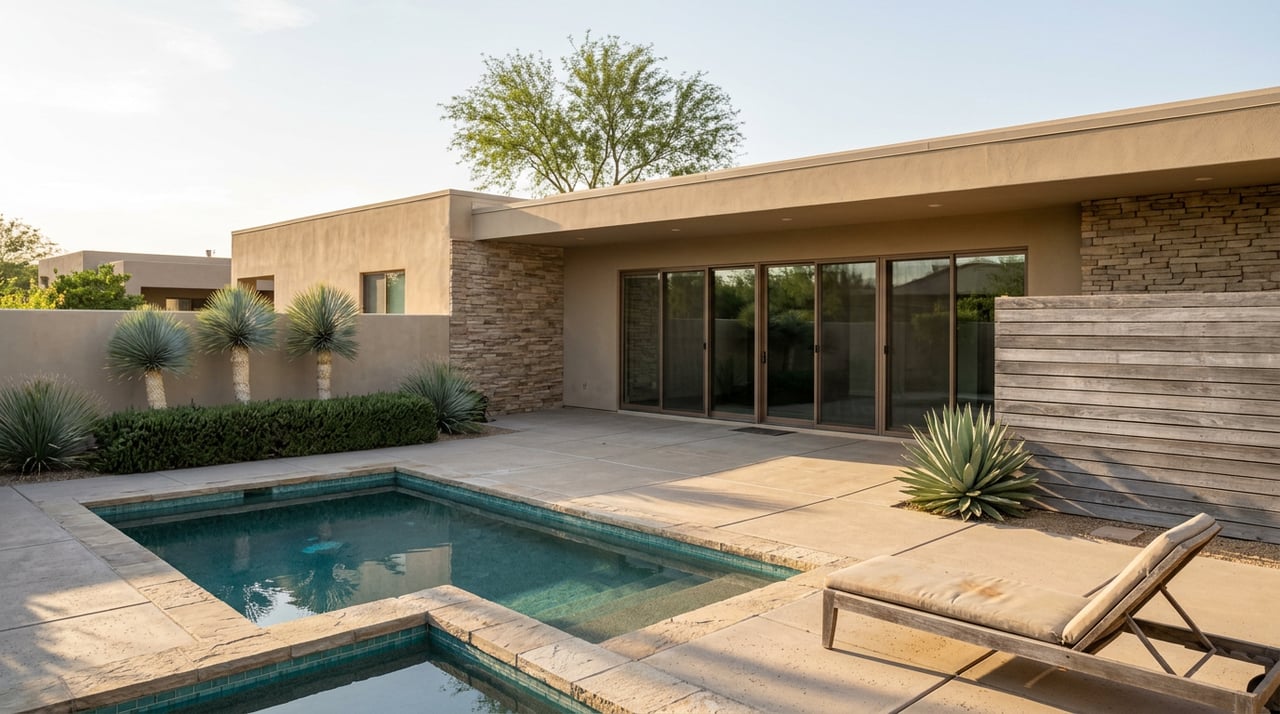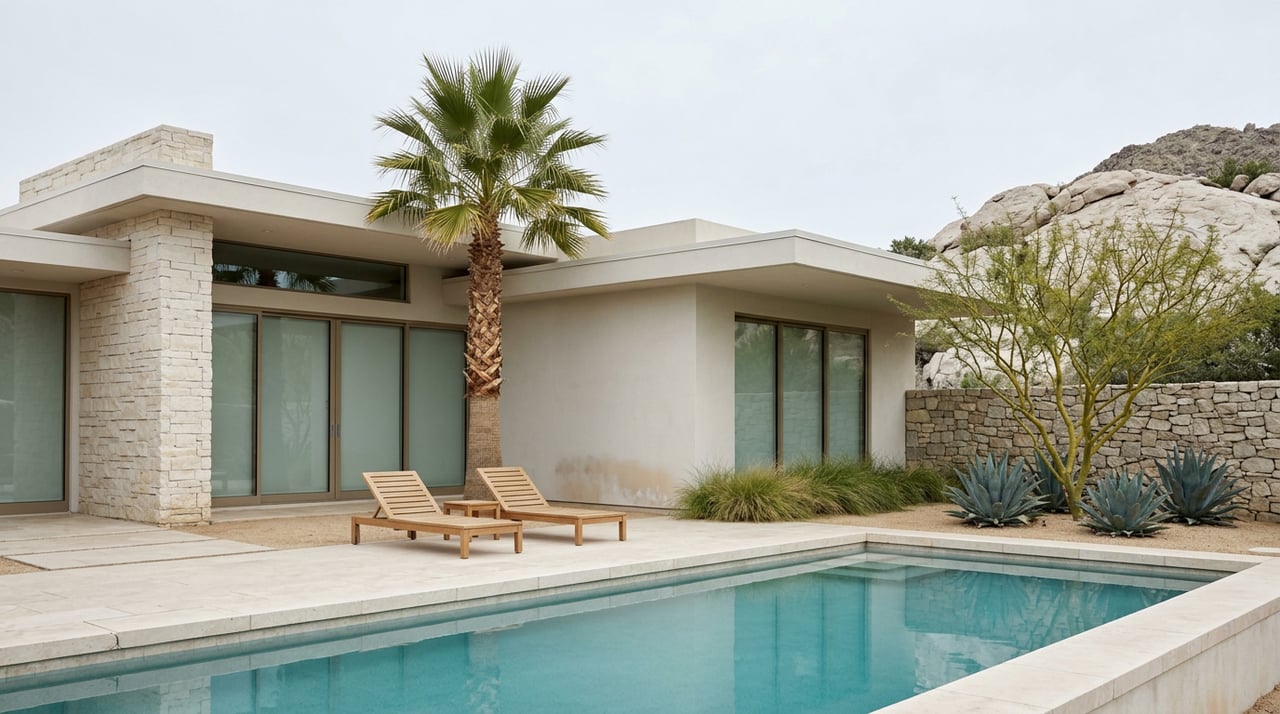
Thinking about a home where fairway views, mountain backdrops, and sunny desert days set the pace of life? If Bermuda Dunes Country Club is on your shortlist, you are not alone. Buyers love the country club lifestyle, yet details like HOA rules, membership terms, and course‑adjacent maintenance can feel complex. This guide breaks down what to verify, what costs to plan for, and how to navigate inspections and closing with confidence. Let’s dive in.
Why Bermuda Dunes Country Club
Bermuda Dunes Country Club sits in the Coachella Valley within Bermuda Dunes in Riverside County. You will find a golf‑focused lifestyle close to Palm Desert, La Quinta, Indian Wells, Rancho Mirage, and Indio. Home choices range from mid‑century residences to newer infill, along with condos and patio homes.
Amenities typically include golf, a clubhouse, pools, fitness, and racquet sports, plus social programming. Some homes sit along fairways with private pools, casitas, or renovated interiors. Whether club membership is optional or required for homeowners can vary, so confirm terms in the current membership documents before you write an offer.
What to check before you buy
Buying in a country club community means reviewing more documents than a typical neighborhood. Start this process early so you have time to ask questions and negotiate if needed.
Core documents to request
- HOA CC&Rs, Bylaws, and Rules and Regulations.
- HOA budget, balance sheet, and the most recent reserve study.
- HOA meeting minutes for the last 12–24 months.
- The full HOA resale disclosure package as required by California law.
- Club membership agreement, initiation and transfer terms, dues schedule, and any cap policies.
- Insurance certificates for master policies and details on deductibles and coverage.
- Any recorded easements or cartway/access easements that touch the lot.
- Written disclosures on any pending litigation involving the HOA or club.
Title, survey, and boundaries
- Order a preliminary title report to identify covenants, liens, easements, and restrictions.
- Consider a boundary survey, especially if the lot backs to a fairway or shared area.
- Verify where property lines end and where course or common‑area maintenance begins.
Financing and lender fit
- If you are purchasing a second home, loan requirements and down payments can differ from a primary residence.
- Share HOA dues, any mandatory club fees, and rental rules with your lender, since these can affect underwriting.
- While most homes connect to municipal utilities, verify water and sewer service. If a property uses a private well or septic, expect added lender review.
Costs to plan for
Setting a realistic budget helps you shop with confidence and compare homes on equal footing.
Property taxes and assessments
- Riverside County administers property taxes. California’s Proposition 13 limits annual assessed value increases, but your base year typically resets at purchase. Review parcel tax history through county records.
- Ask about any current or upcoming special assessments that could impact payments.
HOA and club expenses
- Confirm current HOA dues and exactly what they cover, such as exterior maintenance, landscaping, gate security, or insurance.
- Review the reserve study to understand long‑term funding for roofs, paving, and other shared components.
- Verify whether club membership is optional or required. If required, review initiation fees, monthly dues, and transfer timing in writing.
Insurance and risk
- Clarify what the HOA master policy covers and what you must insure yourself. This often includes interior finishes, contents, and liability.
- Review the need for flood coverage based on FEMA mapping and consider separate earthquake insurance in California.
- If the home borders a fairway, ask how golf‑ball damage and related liability are handled.
Utilities and ongoing maintenance
- Plan for HVAC usage in a hot desert climate. Energy‑efficient systems and shade strategies can make a difference.
- If the property has a pool or spa, include routine service and equipment upkeep in your budget.
- Check irrigation system efficiency and local water conservation rules that can affect landscaping choices.
Desert and golf‑specific inspections
Desert living and golf‑course settings bring unique maintenance considerations. Build the right inspection set from the start.
Home systems and structure
- Schedule a general home inspection that covers structure, plumbing, electrical, and major systems.
- Add roof and HVAC inspections, including ductwork and capacity checks.
- If there is a pool or spa, order a full equipment inspection and safety review.
Course adjacency and site conditions
- Inspect for golf‑ball impact history and any protective netting, berms, or screens.
- Review drainage patterns near fairways to spot irrigation overspray or subsurface moisture that could affect foundations or landscaping.
- Ask the club about pesticide and fertilizer use protocols if you have sensitivity concerns.
Pests and environmental factors
- Arrange a comprehensive pest and subterranean termite inspection and review any treatment records.
- Check FEMA flood zone status and consult wildfire mapping resources for broader hazard awareness.
- Consider a boundary survey on course‑edge lots to confirm setbacks and any encroachments.
Rental rules and use
If you plan to rent your home, confirm the HOA’s leasing rules and minimum lease terms. Many communities restrict short‑term rentals, and some have caps on the number of homes that can be leased at once. Ask for written policies and any history of enforcement.
Negotiation and closing tips
A strong offer includes protections that keep your options open while you learn more.
Smart contingencies
- Make your offer contingent on satisfactory review of the HOA and club resale packages, including membership transfer terms.
- Include title and, when applicable, survey contingencies to address any easement or boundary concerns.
- Ask the seller to confirm in writing that there are no known unrecorded special assessments or pending litigation.
Repair credits and timing
- Use inspection results to negotiate seller credits or targeted repairs, especially for HVAC, roof, and pool equipment.
- Confirm the timing of any club membership transfer so your closing and move‑in plans align with access to amenities.
Buyer step‑by‑step checklist
- Engage a local agent with Bermuda Dunes Country Club experience.
- Review MLS comparables and request the seller’s disclosures.
- Obtain the HOA resale package and full club membership documents early.
- Order a title report and consider a boundary survey if the lot adjoins the course.
- Schedule inspections: home, pest/termite, roof, HVAC, and pool/spa.
- Confirm financing, including HOA dues and any membership liabilities in underwriting.
- Verify utility providers and connections for water, sewer, power, and trash.
- Obtain homeowner’s insurance quotes and understand the HOA master policy.
- Read HOA meeting minutes and financials for upcoming projects or assessments.
- Resolve contingencies, finalize membership transfer details, and close escrow.
Local context and access
Bermuda Dunes lies close to Palm Desert, La Quinta, Indian Wells, Rancho Mirage, and Indio, which helps when comparing homes and amenities across neighboring communities. The Coachella Valley sees a seasonal influx of winter and spring buyers, which can influence inventory and days on market. Understanding this rhythm helps you time tours, offer strength, and negotiations.
Who to have on your team
- A local REALTOR with country‑club and HOA experience in the Coachella Valley.
- A mortgage lender familiar with underwriting HOA dues and club fees.
- Certified inspectors for the home, roof, HVAC, pool/spa, and pest/termite.
- A surveyor if your lot touches a fairway or shared boundary.
- A real estate attorney for complex HOA or membership documents.
- County offices and utilities for public records, tax questions, and water service guidance.
Ready to explore Bermuda Dunes?
If the country club lifestyle suits you, a focused plan will help you secure the right home at the right terms. We guide you through documents, inspections, and membership details so you can buy with clarity and confidence. For a tailored strategy and private tours, connect with Sarah and James Luxury.
FAQs
Is club membership required at Bermuda Dunes Country Club?
- Membership terms can vary by property and membership category. Review the current club documents and confirm whether membership is optional or mandatory before you submit an offer.
What do typical HOA dues cover in Bermuda Dunes Country Club?
- Coverage varies by association. Read the HOA budget and inclusions to see if dues cover items like exterior maintenance, landscaping, gate security, or insurance.
Can I use my Bermuda Dunes home as a short‑term rental?
- Many communities restrict short‑term rentals or set minimum lease terms. Confirm written HOA and municipal rules and ask about any leasing caps or enforcement history.
What inspections are most important for golf‑course homes in Bermuda Dunes?
- Order a full home inspection plus roof, HVAC, pest/termite, and pool/spa inspections. Consider a boundary survey and investigate drainage, irrigation overspray, and golf‑ball impact risks.
How does the desert climate affect ownership costs in Bermuda Dunes?
- Expect higher HVAC usage, pool maintenance, and attention to irrigation. Energy‑efficient upgrades and well‑maintained systems can help manage costs.
How are property taxes handled for Bermuda Dunes homes?
- Riverside County administers property taxes, and Proposition 13 limits annual assessed value increases after your base year is set. Review parcel tax history through county records.
Who should review the HOA and club documents before I buy?
- You and your agent should read them closely, and for complex matters, consult a real estate attorney familiar with California HOA and country‑club rules.