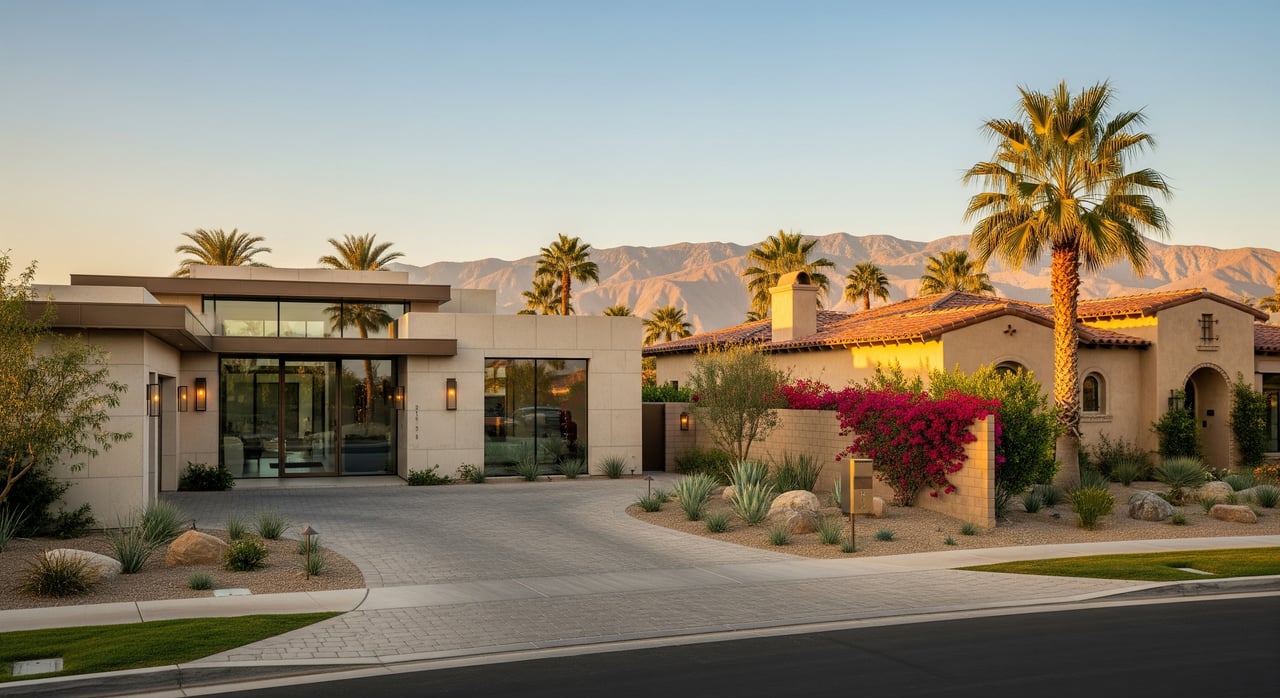
Thinking about whether to buy a brand-new home or a resale in Indio or La Quinta? It’s a big decision, and the right choice depends on your timeline, budget, and how you want to live in the desert. Both options can work well here, but they come with different costs, features, and processes.
In this guide, you’ll learn how new construction and resale compare on price, energy efficiency, warranties, timelines, HOAs, and everyday operating costs, plus local factors like water, flood, and festival-season traffic. You’ll also get checklists and key questions to keep your purchase smooth and stress-free. Let’s dive in.
New vs. resale: who each option fits
- Choose new construction if you want modern energy efficiency, lower immediate maintenance, and the ability to personalize finishes and features.
- Choose resale if you want a faster move-in, mature landscaping, and an established neighborhood with known traffic patterns and services.
- Both options can serve second-home and investment goals, but short-term rental rules vary by city and HOA, so verify before you buy.
Price and the true cost
New construction can look competitive by the base price per square foot. The final number often rises with structural options, design upgrades, landscaping, and a pool. Builders may require deposits and have separate fees tied to HOAs or community infrastructure. In slower markets, some offer incentives like interest-rate buydowns or closing cost credits.
Resale pricing is usually negotiated around list price and condition. You avoid upgrade markups but should budget for repairs or future replacements. In softer markets, sellers may offer concessions, which can help offset updates you plan to make after closing.
Customization vs. move-in speed
New homes let you pick finishes and sometimes layout options if the build is early enough. You start fresh with modern systems and a turn-key feel. The trade-off is time. Construction can take several months or longer, and delays tied to materials, labor, or permitting are common.
Resale homes offer speed and certainty. A typical escrow runs 30 to 45 days, and you get a set possession date. You can renovate to your taste, but that means additional time, design decisions, permitting, and budget.
Energy efficiency and the desert climate
New homes must meet current California Title 24 energy standards. In Indio and La Quinta’s hot summers, that usually means better insulation, efficient windows, right-sized HVAC, and solar-ready designs. These features can lower your monthly utilities compared to older homes.
Resale properties vary by age and prior upgrades. Many have been improved over time, but you may still plan for HVAC updates, window replacements, added insulation, or solar. In the desert, efficient cooling is one of the biggest operating cost drivers, so review utility history and system ages.
Warranties, inspections, and risk
Most builders offer limited warranties that follow a 1-2-10 pattern: roughly one year for workmanship, two years for systems, and ten years for structural elements. Ask for the full warranty documents and how to submit claims. Consider checking the builder’s license and complaint history.
Resale homes do not come with a builder warranty. Your protection comes from inspections, seller disclosures, and your purchase contract contingencies. Many buyers add a separate home warranty for the first year to cover certain appliances and systems.
Timeline and closing certainty
New construction requires patience. You may need to work with a preferred lender, and the builder sets milestones, walk-throughs, and punch lists. Completion can move due to weather or supply changes, so build flexibility into your plans.
Resale timelines are more predictable. Once you clear inspections, appraisal, and loan approval, closing dates tend to hold. If speed is a priority, resale is often the smoother path.
HOAs, amenities, and neighborhood maturity
Many new communities are master-planned with amenities like pools, parks, and gated entries. Review the CC&Rs, HOA dues, reserve studies, and any anticipated special assessments. New neighborhoods can take time to mature with landscaping and nearby retail.
Resale options may be in established neighborhoods where landscaping is lush and services are nearby. If there is an HOA, you can review a longer history of budgets, rules, and meeting minutes. Some resale properties have no HOA, which avoids dues but shifts maintenance to you.
Desert-specific factors in Indio and La Quinta
- Climate: Prioritize HVAC sizing, shading, insulation, and reflective roofing. New builds tend to perform better on current energy codes, which matters during peak heat.
- Water and landscaping: Expect tiered water rates and irrigation rules. Xeriscaping is common and can keep long-term costs down. Confirm any landscaping standards in your HOA.
- Flood and drainage: Some areas have flood or drainage considerations. Review maps and ask about grading, drainage swales, and past improvements.
- Events and seasonal traffic: Proximity to festival venues can affect noise, traffic, and short-term rental demand. Decide if you want to be close to the action or farther away.
- Commuting and services: Weigh proximity to I-10 and Highway 111 against your daily routines. New communities may wait for nearby retail and services to open.
Insurance, utilities, and operating costs
Insurance costs depend on the home’s features and local risks. Newer materials and systems can help. Electricity use spikes in summer for cooling, while efficient HVAC and solar can reduce bills. If you plan a pool or extensive turf, include those costs in your monthly budget.
For landscaping, review any HOA water-use rules and city or district guidelines before you choose materials. Smart irrigation and desert plantings help manage expenses and conserve water.
Which choice fits your goals?
- Pick new construction if you want modern finishes, lower immediate maintenance, and energy-efficient systems, and you can wait for completion.
- Pick resale if you want an established neighborhood, a faster move-in, and room to add value with targeted updates.
- If rental income is part of your plan, verify city and HOA rules, permit requirements, and any occupancy limits before making an offer.
Buyer checklists
New construction checklist
- Confirm builder licensing, insurance, and warranty documents.
- Request community maps, CC&Rs, HOA budget and reserve study, and phase timelines.
- Get a written list of included features versus upgrades with prices.
- Ask about build timeline, delay contingencies, and closing processes.
- Verify energy features and any solar details, including ownership versus lease.
- Confirm water/irrigation budgets, turf and pool allowances, and landscaping standards.
- Tour completed homes of the same plan; ask for recent buyer references.
- Review dispute resolution, warranty claim steps, and expected response times.
Resale home checklist
- Hire a licensed inspector; add HVAC, roof, pool, electrical, and termite specialists as needed.
- Review seller disclosures, permits for previous work, and maintenance records.
- Request past 12 months of utility bills, property tax details, and any HOA documents.
- Evaluate flood risk, event-season noise, commute times, and nearby planned development.
Questions to ask before you sign
For builders
- What warranties are included, and how do I submit a claim? Is there a service timeline?
- What exactly is in the base price, and which upgrades change the price? Are upgrade quotes guaranteed in writing?
- What are the HOA dues and potential special assessments? Are there additional community or membership fees?
- What third-party inspections occur during construction? Can I bring my own inspector at key stages?
- Who is the preferred lender and what incentives apply? Are incentives available with my own lender?
- What is the estimated completion timeline, and what happens if there are delays or change orders?
For resale sellers and listing agents
- What repairs or improvements have been done, and were permits obtained when required?
- Are there any ongoing issues with drainage, foundation, pests, or mechanical systems?
- How long has the home been on the market, and what inspections or offers have occurred?
- Are there neighborhood-specific factors I should know about, such as event traffic or planned construction?
- Can you provide utility bills for the past 12 months and any HOA documentation?
Your next step
If you want a calm, confident path to the right desert home, we can help you weigh cost, timing, energy performance, and lifestyle fit across both new construction and resale options. From curated tours and upgrade budgeting to inspection strategy and HOA due diligence, you’ll have a clear plan at every step. Start the conversation with Sarah and James Luxury.
FAQs
Is new construction more expensive than resale in Indio and La Quinta?
- The base price can look similar, but upgrades, landscaping, and pools often raise the final cost; resale may involve fewer upfront extras but can need repairs or updates.
How long does a new build usually take in the Coachella Valley?
- Many builds take several months or more, and delays can occur; if you need certainty and speed, resale’s typical 30 to 45 day escrow is usually more predictable.
Do new homes come with warranties?
- Most builders offer limited warranties that commonly follow a 1-2-10 pattern, covering workmanship, systems, and structural items to varying lengths; get the specifics in writing.
Are new homes more energy efficient in the desert climate?
- Yes, new construction must meet current Title 24 standards, which usually means better HVAC, windows, and insulation that can lower cooling costs compared to many older homes.
Can I hire my own inspector for a new build?
- Many buyers do; confirm access with the builder and plan independent inspections at key stages and again before closing to address punch-list items.
What should I know about HOAs in newer communities?
- Review CC&Rs, dues, reserve studies, and any planned special assessments, and understand amenities, rules, and maintenance responsibilities before you commit.
Are short-term rentals allowed in Indio and La Quinta?
- Rules vary by city and HOA and may require permits and taxes; verify current policies and community rules before you buy if rental income is part of your plan.
How do flood and drainage risks affect homes here?
- Some areas have flood considerations; check maps, ask about site grading and drainage improvements, and review insurance needs as part of your due diligence.