Trying to choose between a luxury condo and a luxury home in Palm Desert? In 92260, that decision often comes down to how you want to live, not just what you want to spend. If you are weighing convenience, privacy, flexibility, and long-term costs, this guide will help you sort through the tradeoffs with more confidence. Let’s dive in.
Why This Choice Matters in Palm Desert
Palm Desert offers a distinct desert lifestyle, and your property type can shape how much you enjoy it. The city describes itself as a year-round resort destination with about 350 days of sunshine, a strong arts and shopping scene, and popular golf and tennis amenities, all of which make it especially appealing for full-time residents, second-home buyers, and seasonal owners. According to the City of Palm Desert community profile, Palm Desert had 52,779 residents in 2024 plus more than 30,000 seasonal residents.
That seasonal pattern is one reason condo versus home is such an important decision here. Some buyers want a lock-and-leave property they can enjoy part of the year. Others want more room, more outdoor control, and more freedom to personalize the property over time.
The good news is that buyers in 92260 still appear to have choices. Realtor.com market data for ZIP code 92260 reported a median home sale price of $689,000 in February 2026, with homes selling for 2.29% below asking on average, and it also reported 509 homes for sale with a median listing price of $649,450 in December 2025.
What a Palm Desert Condo Really Means
In California, a condo is not just a smaller home. It is part of a common-interest development, which means you own your unit plus an undivided interest in shared areas, while the homeowners association manages or controls those common spaces. The California Department of Real Estate subdivision guide explains that this ownership structure is governed by documents such as CC&Rs, bylaws, and board rules.
That legal structure affects your daily life more than many buyers expect. In most cases, the HOA uses regular assessments to help fund operations and long-term maintenance, which can reduce the amount of exterior upkeep you handle yourself. For many Palm Desert buyers, especially seasonal residents, that can be a major advantage.
Condo Lifestyle Advantages
A luxury condo may be the better fit if your top priorities include:
- Easier lock-and-leave ownership
- Shared maintenance responsibilities
- Access to community amenities
- Less hands-on exterior upkeep
- Simpler seasonal living
If you split your time between Palm Desert and another city, a condo can offer peace of mind. Because the HOA typically maintains common areas and plans for larger shared maintenance needs, you may have fewer property tasks to manage while you are away.
Condo Tradeoffs to Consider
That convenience does come with limits. Because condos include shared ownership or shared use of certain spaces, you usually have less independent control over exteriors, patios, and some visible property changes.
The same DRE guidance also makes clear that even exclusive-use areas may still be subject to deed restrictions and HOA rules. That means if you care deeply about customizing outdoor space, changing exterior finishes, or having more separation from neighbors, a condo may feel restrictive.
What a Detached Luxury Home Offers
A detached home usually gives you more direct control over the property. In practical terms, that often means more privacy, more flexibility, and more freedom over yards, pools, patios, and exterior improvements.
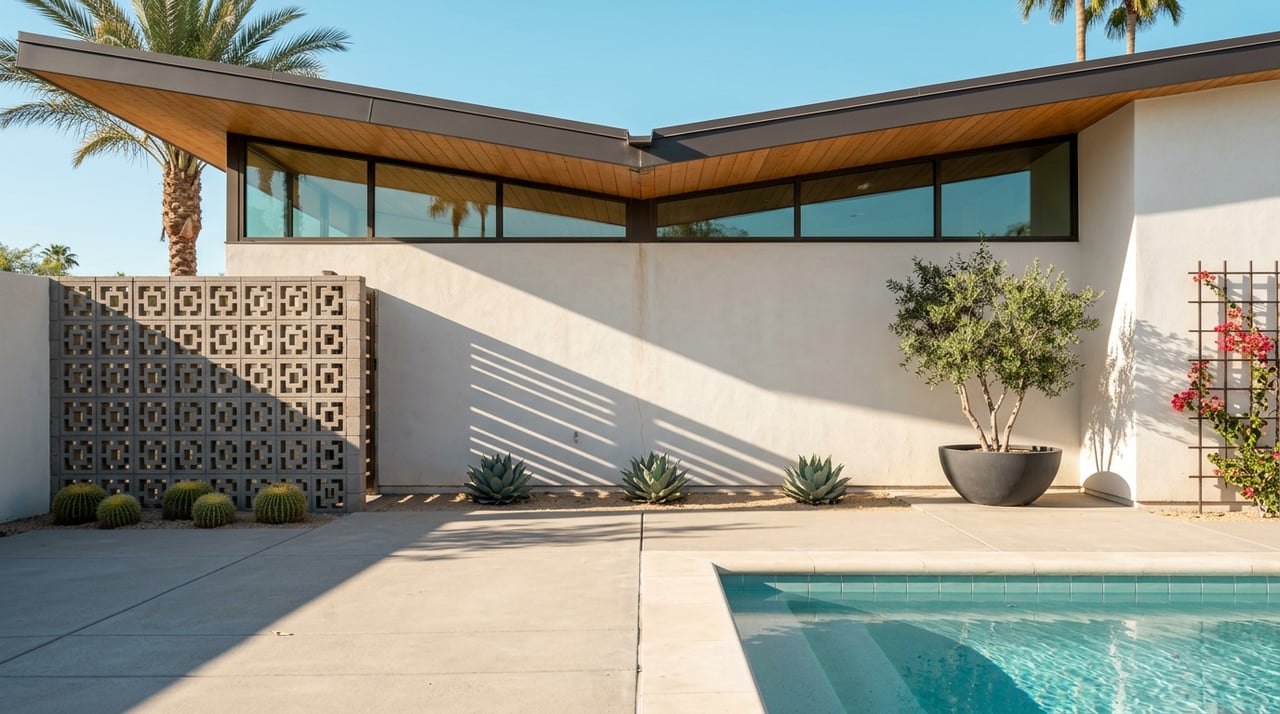
For many buyers in Palm Desert, that extra control is the point. If you picture relaxing by a private pool, updating outdoor entertaining areas, or tailoring the property to your design preferences, a detached home may align better with your goals.
Home Lifestyle Advantages
A luxury home may be the better fit if you value:
- More privacy
- More outdoor space
- Greater design flexibility
- Fewer shared rules affecting daily use
- More control over maintenance timing and decisions
This can be especially important if you want a property that feels highly personal. A detached home usually gives you more room to shape the environment around your lifestyle.
Home Tradeoffs to Consider
More control also means more responsibility. Unlike condo ownership, where the association typically handles many common-area obligations, detached homeowners generally manage their own exterior maintenance, repair planning, and property systems directly.
That does not make a home better or worse. It simply means you should be honest about how involved you want to be with upkeep, vendor coordination, and long-term maintenance planning.
Compare Monthly Costs Carefully
For many buyers, the biggest deciding factor is not the purchase price. It is the monthly carrying cost.
With a condo, HOA assessments are a major part of the budget. The California DRE reserve-study guidance notes that assessments are often collected monthly, though some associations bill on a different schedule, and special assessments can happen when major repairs, replacements, or unexpected expenses arise.
That means a condo’s lower-maintenance appeal should always be weighed against the possibility of rising dues or one-time assessments. Buyers should pay close attention to reserve balances, the remaining life of major components, and any per-unit reserve deficiency because those details can signal whether future costs may increase.
With a detached home, you may not pay HOA dues at the same level, or at all in some cases, but you are typically budgeting for maintenance and repairs directly. Roof work, exterior upkeep, pool equipment, landscaping, and major systems become your responsibility.
Quick Cost Comparison
| Factor | Luxury Condo | Detached Luxury Home |
|---|---|---|
| HOA dues | Usually part of monthly budget | May be lower or not applicable, depending on property |
| Exterior maintenance | Often shared through HOA | Usually owner-managed |
| Special assessments | Possible | Not applicable in the same way |
| Repair planning | Shared for common areas | Handled directly by owner |
| Outdoor upkeep | Often limited/shared | Usually owner-controlled |
Insurance Works Differently
Insurance is another area where condos and homes differ in important ways. The California Department of Insurance homeowners and condo guide explains that condo unit owner policies typically cover the unit interior and improvements the owner must maintain, while the association generally carries insurance for the building structure and common areas.
By contrast, detached homeowners generally carry a broader homeowners policy on the dwelling itself. That can make the insurance structure feel more straightforward, even if the owner is responsible for more of the property.
Earthquake Risk Needs Extra Attention
In both cases, earthquake coverage is a separate issue worth reviewing closely. For condo buyers especially, the California Department of Insurance earthquake guide notes that owners may face loss-assessment exposure if the HOA’s policy does not fully cover damage to common areas or exterior structures.
In plain English, that means a condo owner could still face shared repair costs or deductibles after an earthquake. If you are comparing a condo and a home in Palm Desert, this is a smart question to raise early with your insurance professional and real estate team.
Don’t Overlook Property Taxes
Property taxes should be part of your side-by-side budget. The California State Board of Equalization notes that Proposition 13 generally limits ad valorem property tax to 1% of assessed value, though voter-approved local assessments can increase the overall bill.
Riverside County also follows a set payment calendar. Secured property tax bills are mailed in October, with the first installment due November 1 and delinquent after December 10, while the second installment is due February 1 and delinquent after April 10.
This applies whether you buy a condo or a detached home. The key is to factor taxes into your full monthly and annual ownership picture, rather than focusing only on mortgage and HOA costs.
Review HOA Documents Before You Commit
If you are leaning toward a condo, due diligence matters. California guidance says buyers should review governing documents before purchase, including CC&Rs, bylaws, budgets, reserve studies, insurance summaries, and recent meeting minutes.
These documents can tell you a lot about how the community operates. They may also contain rules affecting pets, parking, architectural changes, common-area use, and rental restrictions.
Documents Worth Reviewing
Before buying a luxury condo in Palm Desert, ask to review:
- CC&Rs
- Bylaws
- HOA budget
- Reserve study
- Insurance summary
- Recent HOA meeting minutes
This step can help you avoid surprises after closing. It also gives you a clearer picture of whether the community fits the way you actually plan to use the property.
Rental Rules Matter for Seasonal Buyers
If you are considering a second home or investment use, rental flexibility deserves close attention. Palm Desert has a short-term rental permit program, and the city’s short-term rental and code compliance page makes clear that private-property issues are regulated across both condos and single-family homes.
That means you should never assume a property can be rented short term just because it is in a resort-oriented market. You need to verify both city rules and any HOA restrictions before you move forward.
This is especially important in condo communities, where association rules may be more detailed. A property can look perfect on paper, but if its rental rules do not match your plans, it may not be the right purchase.
So, Should You Buy a Condo or a Home?
A condo is often the stronger choice when maintenance relief, amenity access, and lock-and-leave convenience top your list. A detached home is often the better fit when privacy, outdoor control, and customization matter more.
Neither option is automatically better in Palm Desert. The right choice depends on how you plan to use the property, how hands-on you want to be, and how comfortable you are with the cost structure that comes with each ownership type.
If you want a polished second home with fewer day-to-day responsibilities, a luxury condo may check the right boxes. If you want a more private desert retreat with greater control over the full property, a detached luxury home may serve you better.
When you are ready to compare specific options in Palm Desert, working with a team that understands lifestyle goals, ownership structures, and local due diligence can make the process much smoother. Connect with Sarah and James Luxury for a concierge-level approach to finding the right fit for your Palm Desert goals.
FAQs
What is the main difference between a Palm Desert condo and a detached home?
- A condo usually includes ownership of your unit plus shared interest in common areas managed by an HOA, while a detached home usually gives you more direct control over the full property and outdoor space.
Are HOA fees worth it for a luxury condo in Palm Desert?
- HOA fees can be worth it if you value shared maintenance, common-area management, and easier lock-and-leave ownership, but you should also review reserve funding and the possibility of special assessments.
What documents should you review before buying a condo in Palm Desert?
- You should review the CC&Rs, bylaws, HOA budget, reserve study, insurance summary, and recent meeting minutes to understand rules, finances, and potential future costs.
Can you use a Palm Desert condo or home as a short-term rental?
- You need to verify both City of Palm Desert short-term rental rules and any HOA rental restrictions before assuming a condo or home can be rented the way you want.
Is insurance different for a Palm Desert condo versus a home?
- Yes. Condo owners typically insure the unit interior and certain improvements, while the HOA usually insures the building structure and common areas, whereas detached homeowners generally carry broader coverage on the dwelling itself.
How do property taxes work for Palm Desert real estate?
- California property taxes are generally limited under Proposition 13 to 1% of assessed value for ad valorem tax, though local assessments may add to the bill, and Riverside County installments are typically due in November and February.