Is Palm Desert’s market really busier only in spring? Not exactly. You see a classic spring lift like the rest of the U.S., but winter brings its own surge when seasonal residents arrive and investors scout short‑term rental opportunities. If you are planning to buy or sell, understanding this hybrid pattern helps you time your move for better pricing, visibility, and speed. Below, you will learn how seasonality works here, when to act, and smart tips for the desert climate. Let’s dive in.
Why Palm Desert is different
Palm Desert follows the national spring trend, but local life shapes a second peak. Mild winters draw seasonal residents and second‑home buyers, while summer heat slows showings and moves. That creates strong activity from late fall through spring and a softer stretch in mid‑summer.
Tourism and events add another layer. The Coachella Valley’s winter visitor season increases buyer traffic, and major spring events can heighten short‑term rental interest. Demographics matter too. A higher share of retirees and second‑home owners means more cash purchases and focused winter shopping. Mortgage rate changes can also spark off‑season bursts, so stay flexible.
How key metrics shift
- New listings: Often rise in late winter and spring, then dip in mid‑summer and late December.
- Pending sales: Two pulses, with winter activity from seasonal buyers and a traditional spring surge. Spring is often strongest.
- Closed sales: Trail pendings by 30 to 60 days, so expect late winter and early spring closings to reflect earlier contracts.
- Prices: Typically firm up during winter and spring when demand is highest. Summer and the holiday lull can offer buyers more negotiating room.
- Days on market: Shorter in peak seasons, longer in slower months. Sale-to-list percentage tends to improve in peak months.
- Inventory: Usually tightest when activity is strongest and somewhat higher in summer and around holidays.
Month-by-month playbook
Use this quick guide to set expectations and plan next steps. Month timing can shift slightly year to year. Always check the latest local MLS trends before committing to a strategy.
January insights
- Buyer traffic is solid as seasonal residents settle in.
- Sellers of high‑end or resort‑lifestyle homes may see strong interest.
- Prepare for quick decisions. Pre-approval or proof of funds helps you act fast.
February insights
- Listings and showings build toward spring, and serious buyers are in town.
- Sellers should fine-tune pricing and presentation to stand out.
- Buyers face competition, so focus on readiness and clear must‑haves.
March insights
- Spring momentum is in full swing with more new listings.
- Sellers get broad exposure but also more competition. Strong staging pays off.
- Buyers enjoy more selection, but expect multiple interested parties.
April insights
- Activity remains high. Investor interest can rise with event season and short‑term rental demand.
- Sellers with STR potential should verify city and HOA rules before marketing income potential.
- Buyers should weigh STR feasibility and timing if rental income matters.
May insights
- Spring strength continues as families plan summer moves.
- Sellers can capture peak pricing if the home is priced and presented well.
- Buyers should move efficiently. Rate changes can influence urgency.
June insights
- Heat intensifies and traffic starts to thin.
- Sellers face fewer showings but also less listing competition.
- Buyers may gain negotiating leverage, especially on homes lingering from spring.
July insights
- One of the slowest months due to extreme heat.
- Sellers who must move should price strategically and highlight HVAC and energy efficiency.
- Buyers can negotiate on price or concessions, but inventory can be tighter.
August insights
- Summer lull continues. Many decision makers are away or delaying trips until cooler weather.
- Sellers benefit from flexible showing windows and clear value positioning.
- Buyers should inspect systems carefully, especially HVAC and pool equipment.
September insights
- Market begins to reawaken as temperatures ease.
- Sellers who prepare early can get in front of the fall ramp.
- Buyers see fewer bidders than spring, with more motivated sellers.
October insights
- Momentum builds ahead of winter visitors returning.
- Sellers can capture motivated fall buyers with tuned pricing and refreshed photos.
- Buyers should complete financing prep before the winter rush.
November insights
- Seasonal residents return and buyer traffic rises.
- Sellers of golf-course and resort-lifestyle homes may see increased inquiries.
- Buyers should plan travel and showings to maximize time in market.
December insights
- Holidays slow listings and showings, but serious buyers remain active.
- Sellers can stand out with less competition and warm, well-staged spaces.
- Buyers who shop now may find flexible terms.
Best times to list
- Winter, especially November to February: Strong for high‑end, active‑adult, and second‑home properties as seasonal buyers arrive. Combine smart pricing with polished presentation.
- Spring, March to May: The broadest exposure and typically strong pricing. Expect more competing listings, so staging, photography, and pricing precision matter.
- Summer, June to August: Lower traffic, but less listing competition can help well-priced homes stand out.
- Fall, September to October: A strategic window before the winter influx with motivated buyers and moderate competition.
Best times to buy
- Summer and late fall: Fewer buyers can mean more negotiating room. Be ready to accommodate heat-related scheduling and inspect mechanical systems closely.
- Winter and spring: You will see more choices, but also more competition. Have pre-approval or proof of funds ready, and be decisive on well-matched homes.
Desert staging and showing tips
- Elevate climate comfort: Service HVAC, change filters, and showcase energy-efficient features. Keep indoor temperatures comfortable during showings.
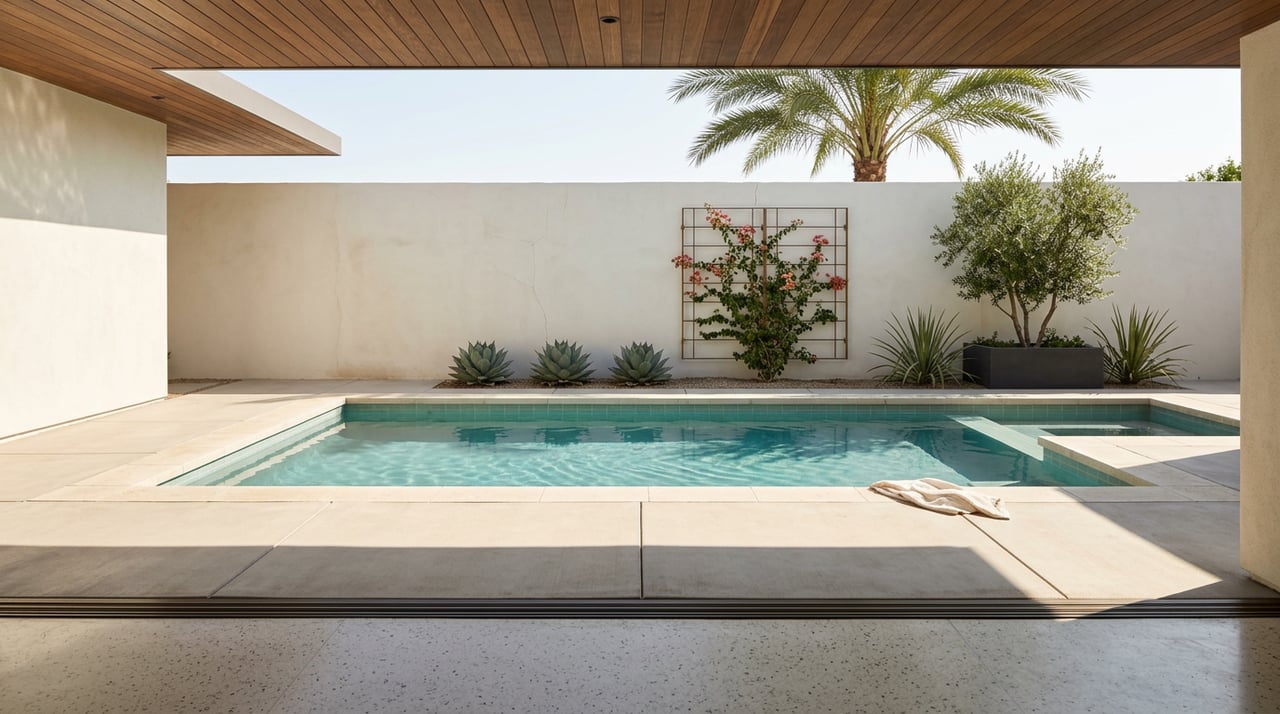
- Optimize outdoor living: Highlight covered patios, shade structures, and well-maintained pools that shine in cooler months.
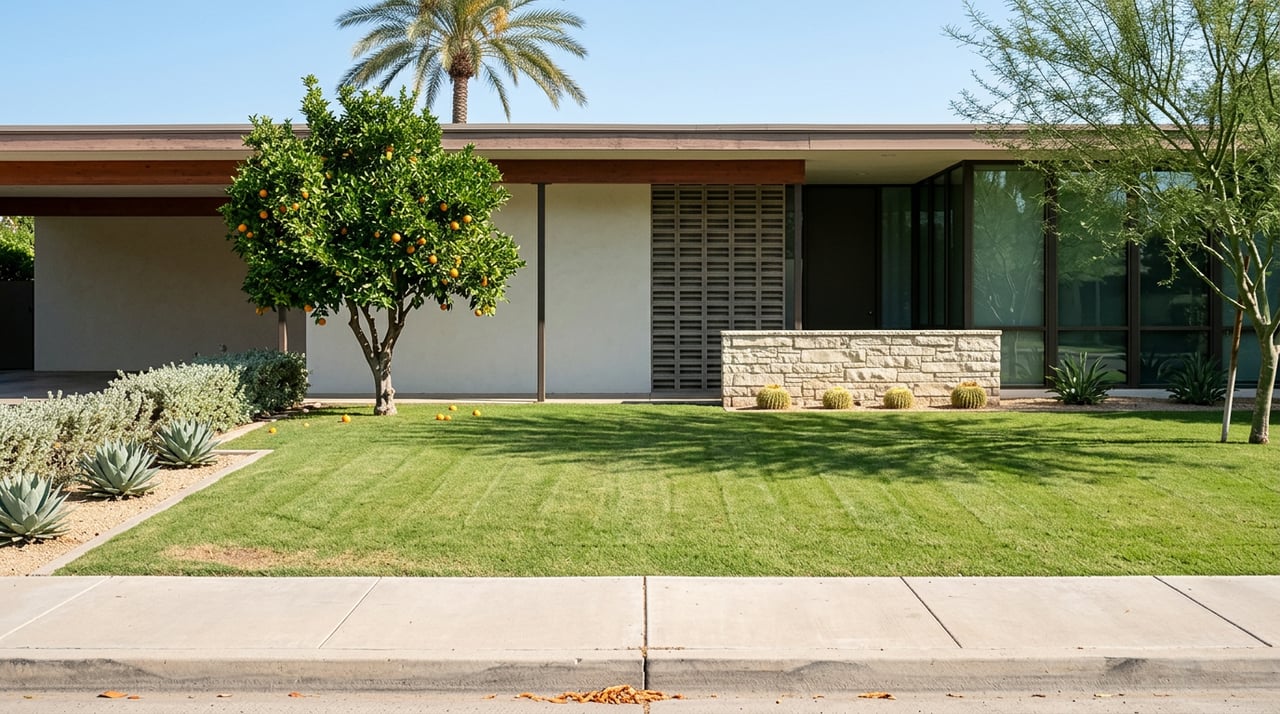
- Desert-friendly curb appeal: Use tidy, low‑water landscaping. Coordinate seasonal turf plans with HOA rules and watering guidelines.
- Plan around heat: Avoid mid‑day moves or outdoor-only showings in peak summer. Schedule photos and yard work during cooler hours.
Inspections, escrow, and timing
- Book early in peak months: Inspectors and contractors are busier in winter and spring. Build in lead time for repairs.
- Summer considerations: Extreme heat can stress systems and landscaping. Schedule mechanical evaluations and pool checks before waiving contingencies.
- Renovation planning: Exterior and hardscape projects are easier to manage in cooler months.
Financing and readiness
- Be offer-ready: Pre-approval or proof of funds is critical from late fall through spring when competition rises.
- Jumbo awareness: For higher price points, understand jumbo loan requirements. Rate moves can change monthly payments, so monitor closely.
- Cash and timing: Cash buyers are common in winter. If you are financing, sharpen your terms and response times.
STR and HOA checks
- Verify rules: Short‑term rentals are regulated locally and often by HOAs. Confirm city licensing, tax, zoning, and community restrictions before advertising income potential.
- Seasonal cash flow: Rental demand is strongest in winter and around large events. Model vacancy, seasonality, and compliance costs before you buy.
Put it together
Palm Desert’s seasonality is a blend. Winter through spring brings robust interest, while summer often grants buyers more room to negotiate. Your best timing depends on your property type, your goals, and current rates. Align pricing and presentation with the season, verify STR and HOA details early, and build a calendar that works with the desert climate. A data-informed plan helps you move with confidence.
Ready to align your timing with today’s Palm Desert market? Get tailored guidance and a plan that fits your goals. Connect with Unknown Company to get started and Get a Free Home Valuation.
FAQs
What is the best month to sell in Palm Desert?
- Late winter through spring usually brings the most buyer traffic and strong pricing. Check current MLS trends to pick the optimal month for your property.
When is the best time to buy in Palm Desert?
- Summer and late fall often offer more negotiating room. If you want more selection, be ready in winter and spring when listings are more abundant.
How do festivals affect the market in Palm Desert?
- Major events can boost short‑term rental demand and investor interest. The effect on overall median sale price is usually short‑lived and property specific.
How does summer heat impact inspections and moving?
- Extreme heat complicates moves and can stress systems, especially HVAC and pools. Schedule inspections early and avoid mid‑day outdoor work.
Are short‑term rentals allowed in Palm Desert?
- Short‑term rentals are regulated. Confirm city licensing, tax rules, and HOA or CC&R restrictions before you market a property as an income opportunity.
Do seasonal residents change winter demand in Palm Desert?
- Yes. Winter brings an influx of seasonal residents, which often leads to a secondary activity peak and more cash purchases.