Imagine stepping from your own pool deck to a shuttle stop and arriving at Coachella in minutes. If you are weighing an Indio home to enjoy festival season and offset ownership costs with short-term stays, you need a plan that works for April and the rest of the year. In this guide, you will learn how festival timing shapes demand, what permits and taxes Indio requires, and which home features and operations keep guests happy while protecting your investment. Let’s dive in.
Why festival season matters
Coachella runs across two April weekends and Stagecoach follows soon after, all at the Empire Polo Club in Indio. Festival organizers publish annual details on routes, shuttles and rideshare pickup points, which makes guest logistics predictable for hosts and visitors alike. You can review current guidance on the official site’s getting here page for timing and access updates (Coachella travel and access details).
April weekends bring a reliable surge in visitor demand and local spending. Recent regional coverage attributed large job gains and nearly two billion dollars in economic activity to major events including Coachella, Stagecoach and the BNP Paribas Open, which helps explain why April is typically the highest-earning month for short-term rentals in the valley (economic impact coverage). Public STR market summaries also show April as the peak revenue month, with strong winter demand and a slower summer due to heat (Indio STR seasonality snapshot).
The practical takeaway: proximity to the Empire Polo Club and easy access to official shuttles or rideshare zones can make a property more attractive for festival groups and more profitable during those peak weekends.
Picking the right Indio location
Location is the first filter for festival-focused buying. Consider:
- Proximity to Empire Polo Club at 81-800 Avenue 51. Even 1 to 3 miles can be valuable when traffic builds. Review current routing each year because road closures can shift by weekend (venue access basics).
- Access to official shuttle lines and rideshare pickup areas. Guests appreciate simple, well-marked options that avoid gridlock.
- On-site parking. Check whether your driveway and garage can host multiple vehicles and whether on-street parking is allowed during festival traffic plans.
- Community rules. Some gated communities in Indio market proximity to the Polo Grounds, while others limit or prohibit short-term rentals. Always confirm CC&Rs before you buy.
Know the STR rules in Indio
If you plan to host festival stays, get familiar with the city’s program before you write an offer.
- Permit and license required. Indio requires a Short-Term Rental permit and a business license for stays of 30 days or fewer. You must apply before advertising or accepting bookings (Indio STR permits).
- Permits are not transferable. The STR permit becomes void when ownership changes. As a buyer, plan to apply for a new permit before operating the home as an STR (permit transfer rule).
- Occupancy limits. Overnight occupancy is capped at 4 persons plus 2 persons per bedroom. Large gatherings are restricted and may require a separate event permit (occupancy standards).
- Local contact and compliance. A local contact who resides in the Coachella Valley must be available 24/7, and the city can require mitigation tools like noise monitors. Non-compliance can lead to fines or revocation (operational standards).
Taxes, fees and monthly filings
Budget for city taxes and recurring filings so your pricing and payouts stay accurate.
- Transient Occupancy Tax. Indio collects a 13% TOT on gross rent for short stays, with different rate bands by operator size. Most STRs fall in the under-50-room category (Indio TOT overview).
- TBID assessment. Most short stays are also subject to a 1% Greater Palm Springs TBID assessment on gross rental revenue for stays of 27 days or less. Owners must register and file.
- Monthly reporting. You must file TOT and TBID monthly even if you have no revenue for the month (TOT and TBID filing details).
- Permit fee. The city has published an annual STR permit fee example of $1,633 for issuance or renewal. Verify current amounts with the city before purchase (STR permit program).
HOA and state rules to check
Many Indio homes sit within HOAs that set rental rules separate from the city. Some associations permit short-term rentals with conditions while others restrict stays under 30 days. Recent California law changes limit certain rental caps but still allow many HOAs to restrict short-term rentals. Always review CC&Rs, rule amendments and minutes if rental use is a key goal (California HOA rental update context).
Features festival guests love
Festival groups look for comfort, capacity and easy logistics. Homes that perform well often include:
- Modern HVAC and strong cooling capacity
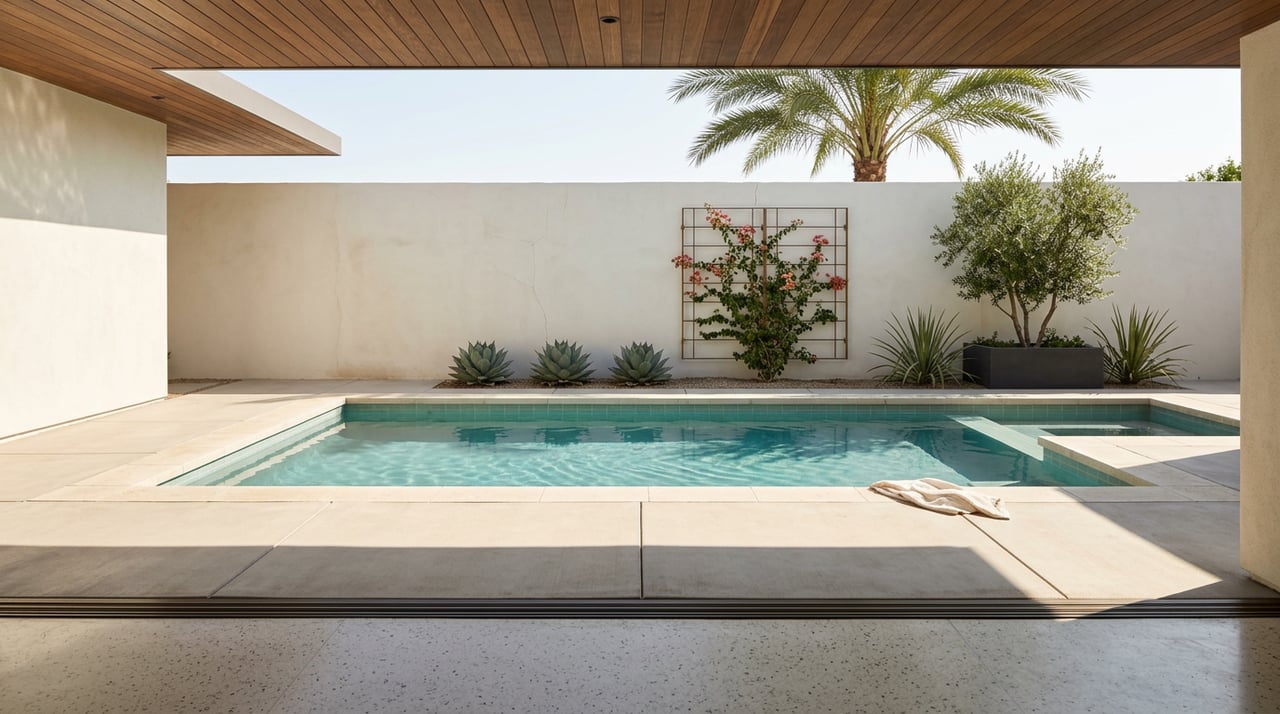
- Private pool and spa with clear instructions for heat and use
- Multiple bathrooms and flexible sleeping options like a casita or bunks
- Reliable high-speed Wi-Fi and smart TVs
- Keyless entry and clear self-check-in steps
- Off-street parking for several cars
- Durable, low-maintenance finishes and labeled, guest-friendly kitchens
- Secure backyard fencing and simple outdoor lighting
These basics reduce friction, help you earn positive reviews, and make turnover faster during high-volume weekends.
Festival-weekend logistics that matter
Help guests move smoothly so they spend less time in traffic and more time at the venue.
- Share shuttle and rideshare info. The festival updates routes, shuttle stops and pickup areas each year. Send your guests the official getting here page and your local tips a week before arrival (festival transport guidance).
- Outline parking rules. Confirm your property’s legal parking capacity and any HOA restrictions. Indio limits certain on-site camping or vehicle rentals for STRs and restricts large gatherings without permits (operational rules).
- Reinforce quiet hours and neighbor respect. Include your house rules in pre-arrival messages and provide a responsive local contact number for quick issue resolution (STR standards).
- Manage pool safety and maintenance. Pools add guest appeal and extra cost. Post simple safety rules, secure gates and keep a dependable service schedule. Some insurers require special endorsements for pools.
Budget and cash-flow basics
A realistic operating plan helps you balance personal use with rental goals.
- Management fees. Full-service STR management in many markets runs about 15 to 30 percent of gross rental revenue depending on scope. Ask whether fees are based on gross or net and who handles guest support, cleaning and tax filing (management fee ranges).
- Insurance. Standard homeowners policies often exclude or limit short-term rental activity. Secure a dedicated STR or commercial-grade policy, and get written confirmation that pools and liability are covered. Platform protections are not a full replacement (insurance guidance).
- Utilities and water. Desert landscaping, irrigation and pool operation are meaningful line items. Review current water rates and budget-based structures with the Indio Water Authority (Indio Water Authority rates).
- Seasonality. Expect strong winter bookings and April peaks, with slower demand in summer heat. Set pricing and minimum stays accordingly (Indio seasonality overview).
Due-diligence checklist for buyers
Before you open escrow on an Indio STR, verify the essentials:
- Active STR permit status. Ask whether the property has a current permit and check the city’s rules on non-transferability. Plan your own application if you purchase (Indio STR program).
- HOA rules. Review CC&Rs, rental policies and recent rule changes regarding short-term stays. Confirm minimum lease terms and any festival-season limitations (HOA rental law context).
- Taxes and filings. Register for TOT and TBID, confirm what platforms collect, and calendar monthly filings so you never miss a deadline (TOT and TBID overview).
- Parking and access. Confirm driveway and garage capacity, on-street rules and potential festival routing that may affect arrival and departure times (festival routing basics).
- Insurance quotes. Obtain multiple quotes that explicitly cover short-term rentals, pools and liability. Get coverage terms in writing (STR insurance guidance).
- Management scope and fees. Request a full fee schedule and a sample operations checklist from any manager you interview, including cleaning standards and guest support expectations (management fee reference).
- Utilities and landscaping. Price out pool service, desert-friendly landscaping and irrigation to understand true monthly costs (water rate info).
Plan your calendar and policies
Festival weekends book far in advance. Many owners:
- Block personal dates early, then open high-demand weekends to guests with multi-night minimums.
- Publish clear house rules focused on quiet hours, parking and pool use.
- Create a guest guide with shuttle info, arrival routes and local contacts.
- Set a rapid-response plan for event nights with your manager or local contact.
Thoughtful planning helps you enjoy your own retreat while keeping operations smooth for guest stays.
Your next step
If you want an Indio home that shines during Coachella season and works the rest of the year, you deserve local guidance on communities, STR rules and property features that matter. Our team blends deep Coachella Valley expertise with hospitality-forward service to help you buy confidently, set up operations the right way and protect your investment. Ready to explore on-the-ground options near the Polo Grounds and beyond? Connect with Sarah and James Luxury to start a focused, no-pressure conversation.
FAQs
What makes April unique for Indio rentals?
- Coachella runs across two weekends and Stagecoach follows, creating a predictable surge in demand and peak earnings for short-term rentals (festival access details; seasonality snapshot).
How close should I buy to the Empire Polo Club?
- Homes within a short drive or near shuttle and rideshare pickup zones are more convenient for festival guests and often see stronger April demand (getting here guidance).
What permits do I need to host festival stays in Indio?
- You need a City of Indio STR permit and a business license before advertising. Permits are not transferable at sale, so new owners must apply (Indio STR permits; permit rule).
How many guests can stay overnight at an Indio STR?
- Indio caps overnight occupancy at 4 persons plus 2 per bedroom, with larger gatherings restricted or permitted separately (occupancy standards).
What taxes apply to short-term rentals in Indio?
- Most STRs owe a 13% Transient Occupancy Tax plus a 1% TBID assessment, with mandatory monthly filings even when there is no revenue (TOT and TBID overview).
Do HOAs in Indio allow short-term rentals for festival weekends?
- Some do, some do not. Review CC&Rs and recent rule changes, since California law still allows many HOAs to restrict stays under 30 days (HOA rental context).
Will my homeowner insurance cover short-term rental activity?
- Often not without an STR endorsement or a separate policy. Confirm coverage in writing, especially for pools and liability exposures (insurance guidance).