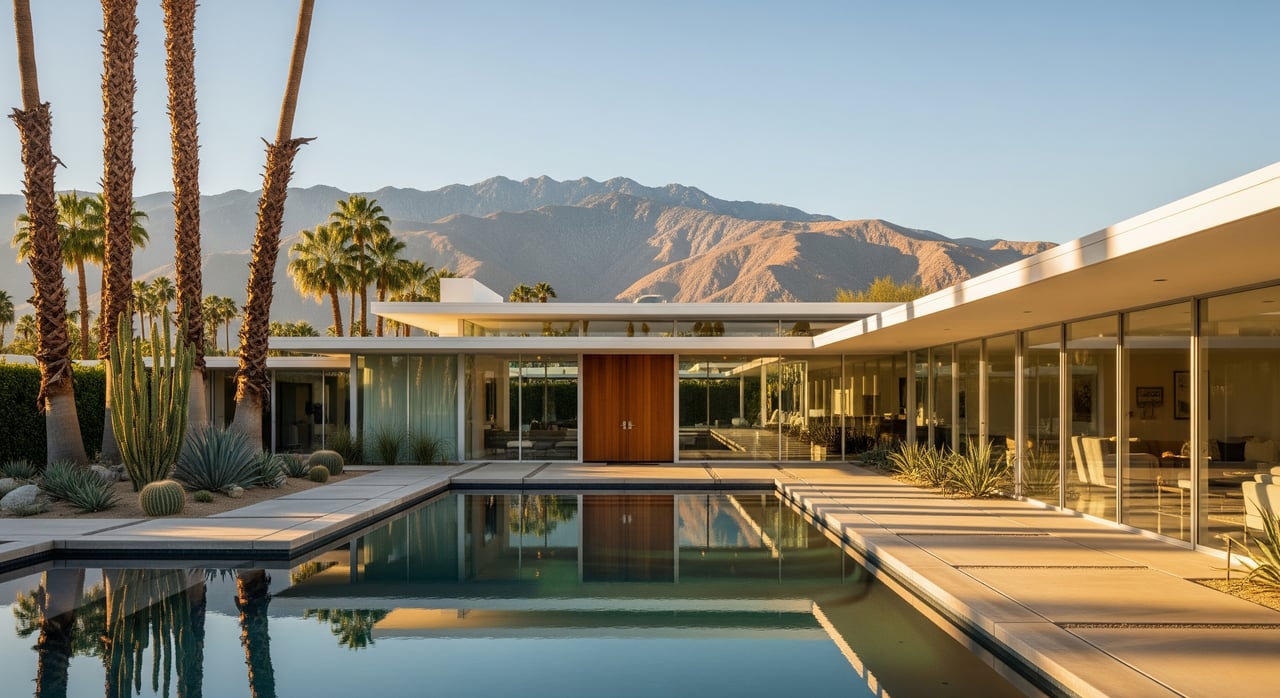
Seeing “lease land” and “fee simple” on Palm Springs listings and wondering what it means for your money and your lifestyle? You’re not alone. Choosing the right ownership type affects your financing, taxes, resale, and daily experience. In this guide, you’ll learn the key differences, what to watch for in the Coachella Valley, and how to protect yourself before you write an offer. Let’s dive in.
Fee simple: the standard in Palm Springs
Fee simple means you own the land and the home. You can use, sell, finance, or leave the property to heirs, subject to zoning and any CC&Rs. In Palm Springs, most detached single-family homes are fee simple. This is the simplest path for financing and resale because lenders and buyers are very familiar with it.
Lease land: how it works here
With lease land, you own the home or improvements, but you lease the land beneath it from a separate landowner. You pay ground rent based on the lease terms. In Palm Springs and nearby desert cities, you will see leaseholds in several forms, including mobilehome parks and some resort or planned communities. The lease document controls your rights, costs, and what happens at the end of the term.
Key legal differences in California
In a fee simple deal, the land and the structure have the same owner. In a leasehold, there is a landowner with the leased fee interest and a tenant with the leasehold interest in the improvements. Ground leases are often long term, while mobilehome pad leases may renew on a schedule and include park rules. The California Mobilehome Residency Law sets important protections and procedures for residents in mobilehome parks.
What happens when a lease ends depends on that lease. Some leases allow renewal or renegotiation. Others require removal of improvements or loss of the site. Review the lease language closely so you know your obligations and options.
The clauses that matter in a lease
Before you get serious about a leasehold, look for these items in the lease:
- Lease length and remaining term, plus any renewal or extension rights
- Rent amount, escalation formula, and how often increases can occur
- Subordination, non-disturbance, and attornment (SNDA) terms that protect lenders and your occupancy
- Assignment and transfer rules, including any approval process or fees
- Park or HOA rules, utility responsibilities, and who pays for capital improvements
These points drive financing options, market value, and resale.
Financing differences you need to know
Lenders view leaseholds as higher risk than fee simple. Many require the lease to run well beyond the loan term and to include lender-friendly language like SNDA and clear assignability. Some loan programs will not lend on short-remaining leases. Manufactured homes on leased land can face extra hurdles if the home is not affixed as real property or if title is held in a certain way.
Expect fewer lenders, possible higher rates, larger down payments, and shorter loan terms for leasehold purchases. Get prequalified with a lender who understands leaseholds before you make an offer. That way, you can align the property’s lease terms with your loan program from day one.
Appraisal, taxes, and insurance
Appraisers value leaseholds differently than fee simple homes. Remaining lease term, rent escalations, and transfer limits can reduce value and may limit financing. Comparable sales can be harder to find, which adds complexity.
Property tax treatment can vary for leaseholds. Fee simple parcels are assessed on full value under California rules. With leaseholds, the assessor can assess the leasehold interest separately depending on who owns the improvements. For mobilehomes, tax billing and assessment can differ by situation. Check current records with the Riverside County Assessor for the specific parcel.
Insurance also differs. As a leasehold owner, you typically insure the home or unit and carry liability as required by the lease or park rules. The landowner insures the land and common areas. Clarify who carries what coverage before closing.
Due diligence checklist for Palm Springs buyers
Gather and review these items early. The stronger your file, the smoother your escrow.
- Full ground lease or pad lease with all amendments and riders
- Estoppel or rent verification from the landlord or park showing current rent, status, and transfer procedures
- SNDA or subordination documentation and any lender consents tied to the lease
- HOA or park rules, CC&Rs, and any park disclosure packets
- Recent Riverside County Assessor tax bills and parcel maps
- Insurance requirements and any current certificates or policy summaries
- Maintenance records and history of rent escalations; ask about any redevelopment plans
- Lender prequalification that confirms acceptance of the lease terms
- If a mobilehome: confirm compliance with California Mobilehome Residency Law and health and safety standards, plus proper title for the manufactured home
Key questions to ask:
- How much time remains on the lease, and are there renewal rights?
- What is the rent escalation formula and the history of increases?
- Is the lease assignable on sale, and what are the approval requirements?
- Has the landowner discussed selling or redeveloping the land?
- Which lender requirements apply to this lease, and will a mortgage be possible?
- Who pays property taxes, utilities, major repairs, and insurance?
- Are there any ongoing legal disputes or notices involving the park or land?
Local offices to check:
- Riverside County Recorder for recorded leases and related documents
- Riverside County Assessor for assessment and tax status
- City of Palm Springs Planning and Building for zoning, permits, and code compliance
- California Department of Housing and Community Development for manufactured home registration and compliance
Seller action plan for leasehold homes
If you are selling a leasehold property, set buyers up for success.
- Gather the signed lease, amendments, and any side agreements early
- Provide an estoppel, rent history, and SNDA if available
- Disclose park notices, pending assessments, or redevelopment plans
- Clarify which lenders have financed similar homes recently
- Coordinate with your escrow and title teams so the lease is insurable and assignable
A clear package helps you attract qualified buyers and shorten time on market.
Market and resale impacts in Palm Springs
Leasehold properties often sell for less than similar fee simple homes. The buyer pool is narrower, focusing on cash buyers or those working with leasehold-friendly lenders. Short remaining lease terms, steep rent escalations, strict transfer rules, and any redevelopment risk can all drag on price and time to sell.
Still, some leaseholds offer strong value. Long remaining terms, predictable rent increases tied to an index or fixed schedule, and lender-friendly clauses can support stable ownership and resale. The financial strength and reputation of the landowner or park operator also matter.
When lease land can make sense
If you prioritize location and amenities and want a lower purchase price than nearby fee simple homes, a leasehold can be attractive. This is common in resort-style or seasonal settings in the Coachella Valley. Look for:
- Long lease term with clear renewal options
- Moderate, predictable rent escalations
- Assignability and SNDA language that lenders accept
- Well-run parks or communities with clear rules and stable operations
Match these factors with your timeline. If you plan to own for many years, remaining lease term and rent patterns are crucial.
Closing process: what to expect
Escrow and title will need lease documentation that is complete and insurable. Expect requests for the full lease, amendments, estoppel letters, and proof of rent status. Title insurance must reflect the lease term and any subordinate interests. Your lender will order an appraisal that considers the lease terms and may ask for more documentation than a standard fee simple loan.
Plan a little extra time in escrow for lease reviews, landlord approvals, and lender conditions. Clear communication among your agent, lender, escrow, and the landlord or park is the best way to stay on track.
How we help you decide
You want clarity before you commit. We help you compare fee simple and leasehold options side by side, factoring in monthly costs, lender fit, lease strength, and resale outlook. We coordinate early with lenders who know leaseholds, and we assemble the right documents up front so your offer is strong.
If a leasehold is the right match, you will understand why. If fee simple better fits your goals, you will be confident in that path too.
Ready to explore your options?
Whether you are weighing a mid-century gem on fee simple land or a stylish leasehold in a resort setting, we can help you assess total cost, risk, and lifestyle fit. Reach out to Sarah & James Pearce for local guidance tailored to your timeline and goals. Get a Free Home Valuation and a plan to move forward with confidence.
FAQs
Can you get a mortgage on lease land in Palm Springs?
- Often yes, but it depends on the lease terms, remaining years, and the loan program; expect fewer lenders and possibly higher rates or larger down payments.
What happens when a Palm Springs ground lease ends?
- Outcomes vary by lease and can include renewal, renegotiation, removal of improvements, or loss of the site; review the lease for post-expiration obligations.
Are there protections for mobilehome residents on leased pads?
- Yes, the California Mobilehome Residency Law covers many aspects of park residency, including notices, rent increases, and procedures for park changes.
How do appraisals treat leaseholds versus fee simple?
- Appraisers factor in lease terms, remaining duration, rent escalations, and transfer limits; these elements can reduce value and financing options compared to fee simple.
Who pays property taxes on a leasehold in Riverside County?
- It depends on how the home and land are titled and reported; the assessor can assess the leasehold interest separately, so check the specific parcel’s records.
What documents should I review before buying a leasehold home?
- The full lease and amendments, estoppel letter, SNDA, HOA or park rules, tax bills, insurance requirements, maintenance history, and lender prequalification that fits the lease.