Dreaming about a sunlit desert retreat you can buy from your living room? If Palm Springs is calling and you live hours away, you are not alone. Remote buyers are choosing 92262 for its lifestyle, architecture and easy airport access, but long-distance purchases work best with a clear plan. This playbook shows you exactly how to buy a second home in Palm Springs remotely, from financing and inspections to closing and ongoing operations. Let’s dive in.
Why 92262 fits a remote second home
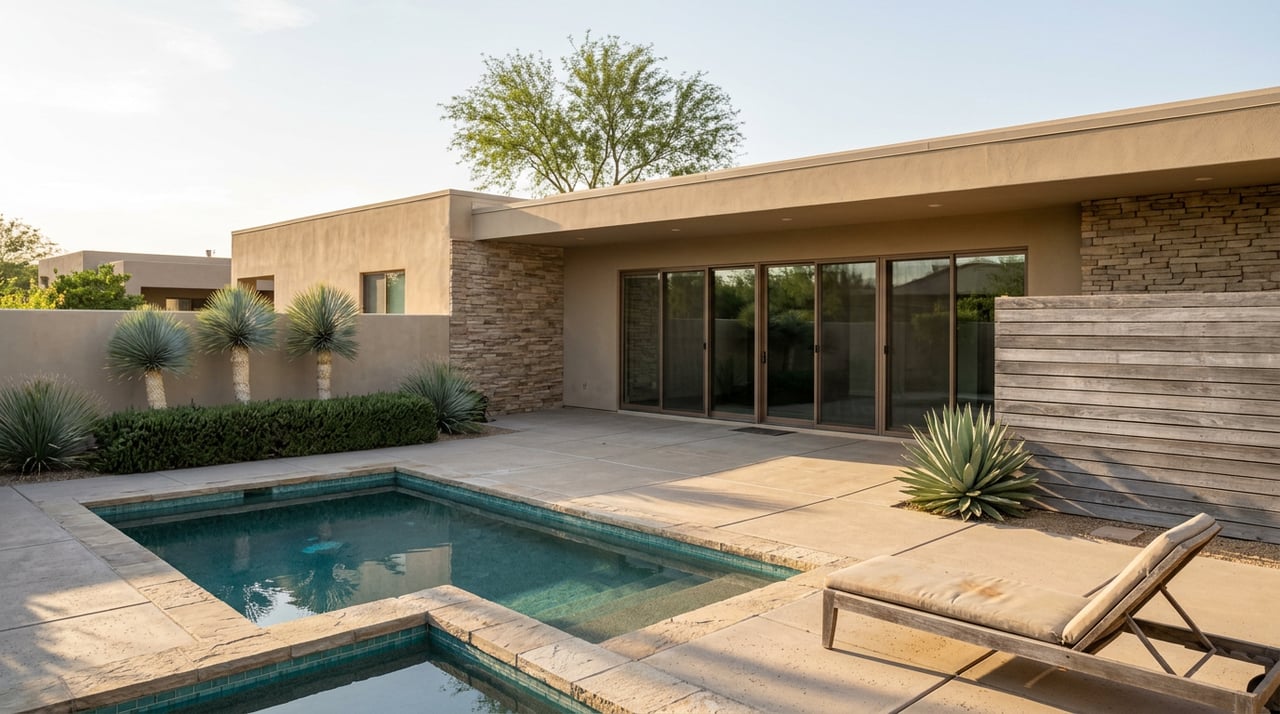
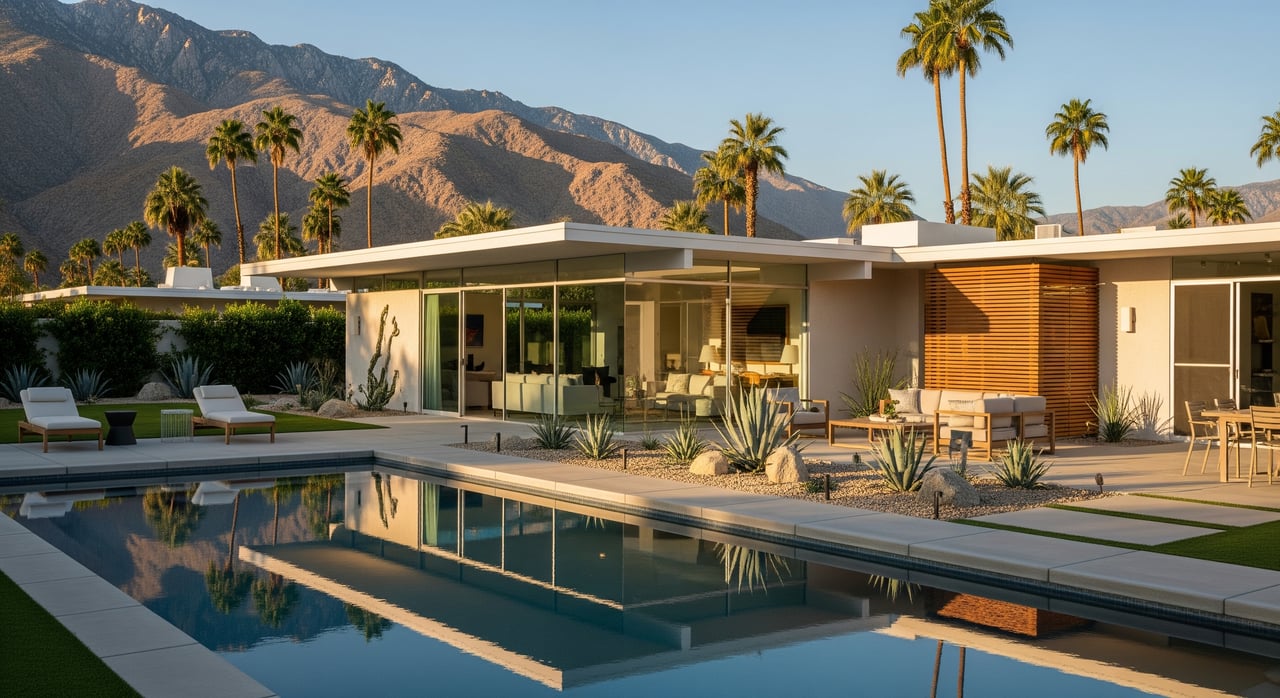
Palm Springs offers a mix of mid-century modern homes, lock-and-leave condos and gated or golf-course communities. Many second-home buyers value pools, updated HVAC and lower-maintenance living. You also benefit from proximity to Palm Springs International Airport and a vibrant arts, dining and outdoor scene.
Turnkey properties can move quickly, especially in peak season. If you are buying from afar, be prepared to act fast on the right fit with a strong pre-approval and a remote-tour strategy.
Know the rules before you shop
Understanding local rules up front helps you avoid surprises later.
Property taxes and assessments
- California’s Proposition 13 sets your taxable value at purchase and caps annual increases, with reassessment at change of ownership.
- Expect a supplemental property tax bill after closing that reflects the reassessment by the Riverside County Assessor.
- Confirm tax rates, due dates and supplemental bill procedures for your specific property.
Short-term rental and HOA rules
- Palm Springs regulates short-term rentals. Most properties must be registered, follow health and safety standards and remit Transient Occupancy Tax.
- Zoning and HOA documents can limit or prohibit short-term rentals. Review CC&Rs, rental minimums, occupancy caps and guest policies before you write an offer.
Zoning, permits and design considerations
- Verify the zoning matches your intended use, including STR permissibility and future remodel plans.
- Renovations require permits. Historic mid-century properties may have additional preservation considerations.
Income taxes and 1031 exchanges
- Rental income is generally taxable at federal and California state levels. Review allowable deductions for residential rental property.
- 1031 exchanges can apply to investment properties. Discuss with a CPA to confirm eligibility and timelines.
Structure your financing
Second homes are financed differently than primary residences. Planning ahead saves time.
Loan types and requirements
- Conventional loans are common for second homes. Down payment, reserves and credit score requirements may be higher than for a primary residence.
- FHA and VA loans are typically designed for primary residences, not second homes.
- If your loan amount exceeds conforming limits, expect jumbo underwriting standards and documentation.
Lender selection and pre-approval
- Choose a lender experienced with second homes and remote borrowers. Confirm their process for out-of-state signings.
- Secure a strong pre-approval before touring. Remote buyers often need to move quickly on well-presented, low-maintenance properties.
Appraisals and condo reviews
- Lenders will require an appraisal based on local comparable sales. Unique vacation homes may need more appraisal diligence.
- Condo purchases include a review of HOA financials, insurance and any special assessments.
Touring and due diligence from afar
You can confidently evaluate homes without being on site by combining live tours, recorded media and thorough inspections.
Remote showings that work
- Schedule live video walkthroughs, recorded tours and neighborhood drives.
- Ask for high-resolution photos and, if appropriate, drone footage for roof and lot context.
- Keep a written checklist for features that matter most to you, such as pool equipment age, HVAC model year and HOA rules.
Essential inspections for desert homes
- General home inspection and pest/termite inspection.
- HVAC and electrical system evaluations.
- Roof review and, for older or unique properties, a foundation or structural assessment.
- Pool and spa equipment inspection, including heaters, filters and automation.
Hazard checks and environmental factors
- Review wildfire exposure using official fire hazard maps and request defensible-space guidance where relevant.
- Check FEMA flood maps to understand flood risk and any lender insurance requirements.
- Consider soil or drainage evaluations if recommended by inspectors.
Insurance planning
- Obtain homeowner’s insurance quotes early. Some carriers require specific mitigations for wildfire risk.
- Consider flood insurance if the property is in a flood zone, and an umbrella policy for added liability protection.
- If you plan to do short-term rentals, confirm your insurer permits it and note any endorsements or exclusions.
Repairs and escrow strategies
- Get estimates from licensed local contractors. For critical items, you can negotiate credits or an escrow holdback so work is completed to your satisfaction.
Title, escrow and remote closings
California closings run through escrow and title companies, which makes remote coordination straightforward.
Your remote signing options
- Mail-away closing with a local notary near you.
- Remote online notarization if your lender and title company accept it.
- Power of Attorney used carefully and with legal guidance.
Confirm identity verification steps, acceptable notarization methods and any shipping timelines with your escrow officer and lender.
Timing and contingencies
- Typical escrow is 30 to 45 days, and can be negotiated.
- Build in time for inspections, HOA document review, insurance quoting and remote notarization.
- Keep inspection, appraisal, financing and HOA review contingencies to protect your decision-making window.
Operating the home when you are away
A smooth plan for ongoing care keeps your second home enjoyable and stress-free.
Property management and concierge support
- Full-service managers can handle guest communications, cleanings, maintenance, STR compliance and tax remittance if you choose to rent.
- Co-management or caretaker services can oversee pool, landscaping, HVAC maintenance and seasonal open-close routines.
Utilities, connectivity and smart-home tools
- Confirm local providers for electricity, water, gas, trash and internet before closing so accounts transfer on day one.
- Budget for pool service, irrigation tune-ups and desert landscaping.
- Add smart thermostats, smart locks, cameras and pool controls for remote oversight.
HOA and community details
- Read CC&Rs for rental rules, pet policies, guest parking and registration requirements.
- Ask about current dues, reserves, special assessments and any upcoming community projects.
Ongoing tax and compliance
- If you operate as a short-term rental, register with the City and remit Transient Occupancy Tax.
- Track property tax due dates and any supplemental bills. Keep clear records for rental income and deductible expenses.
Step-by-step checklist and timeline
Use this as your quick-reference plan.
Pre-offer
- Select a local buyer’s agent with remote-purchase expertise in Palm Springs.
- Get pre-approved with a lender that supports out-of-state closings.
- Define must-haves: pool, HOA rules, STR permissibility, architectural style and maintenance profile.
- Schedule remote tours and gather videos, photos and neighborhood context.
Offer through inspection
- Write an offer with inspection, financing, appraisal and HOA contingencies.
- Book general, pest, HVAC, roof and pool inspections within 7 to 14 days.
- Review HOA documents, insurance quotes and hazard information.
- Negotiate repairs, credits or escrow holdbacks using licensed contractor bids.
Escrow and closing
- Confirm remote signing method: mail-away, local notary, RON or POA.
- Bind homeowner’s insurance effective at closing.
- Review and sign closing disclosures and escrow instructions on schedule.
- Set utility transfers and any HOA registrations for the closing date.
Post-closing operations
- Engage property management or a local caretaker.
- Set up vendors for pool, landscaping, pest control and HVAC.
- If renting, complete City registration, STR permits and TOT setup.
Typical timeline
- Offer to close: 30 to 45 days.
- Inspection contingency: 7 to 14 days.
- HOA review: often concurrent, allow 7 to 10 days for full records.
- Remote signing: plan 1 to 2 weeks ahead to schedule notarization and shipping if needed.
Common pitfalls to avoid
- Skipping a dedicated pool and HVAC inspection in the desert climate.
- Assuming STRs are allowed without checking both City rules and HOA documents.
- Waiting to get insurance quotes until the last week of escrow.
- Overlooking supplemental property tax bills after reassessment.
- Not confirming your title and lender’s remote notarization requirements early.
Your 92262 remote-buying partner
Buying a second home from afar should feel confident and well-orchestrated. You handle the vision; we handle the moving parts, from curated remote tours to inspection scheduling, escrow coordination and trusted local referrals. If you are ready to explore a Palm Springs retreat in 92262, connect with the team that pairs lifelong local insight with concierge care. Reach out to Sarah and James Luxury to start your plan.
FAQs
Can I buy a Palm Springs second home sight-unseen in 92262?
- Yes, and you can mitigate risk with comprehensive inspections, live and recorded tours, clear contingencies and strong vendor support.
Are short-term rentals allowed for all homes in Palm Springs?
- No, STRs are regulated by the City and may be restricted by zoning and HOA rules, so verify both before you make an offer.
What insurance should I consider for a 92262 second home?
- Standard homeowner’s coverage plus wildfire considerations, optional flood insurance if in a flood zone and STR-friendly coverage if you plan to host guests.
How long does a remote closing usually take in Riverside County?
- Many closings complete in 30 to 45 days, with time allocated for inspections, HOA review, insurance quotes and remote notarization.
What are the typical recurring costs of a Palm Springs second home?
- Property taxes, insurance, utilities, routine maintenance like pool and landscaping, HOA dues if applicable and for STRs any management fees and TOT.
Which inspections are most important for desert properties with pools?
- A general inspection plus dedicated reviews for pool and spa systems, HVAC, roof and pest, with contractor bids on any major findings.