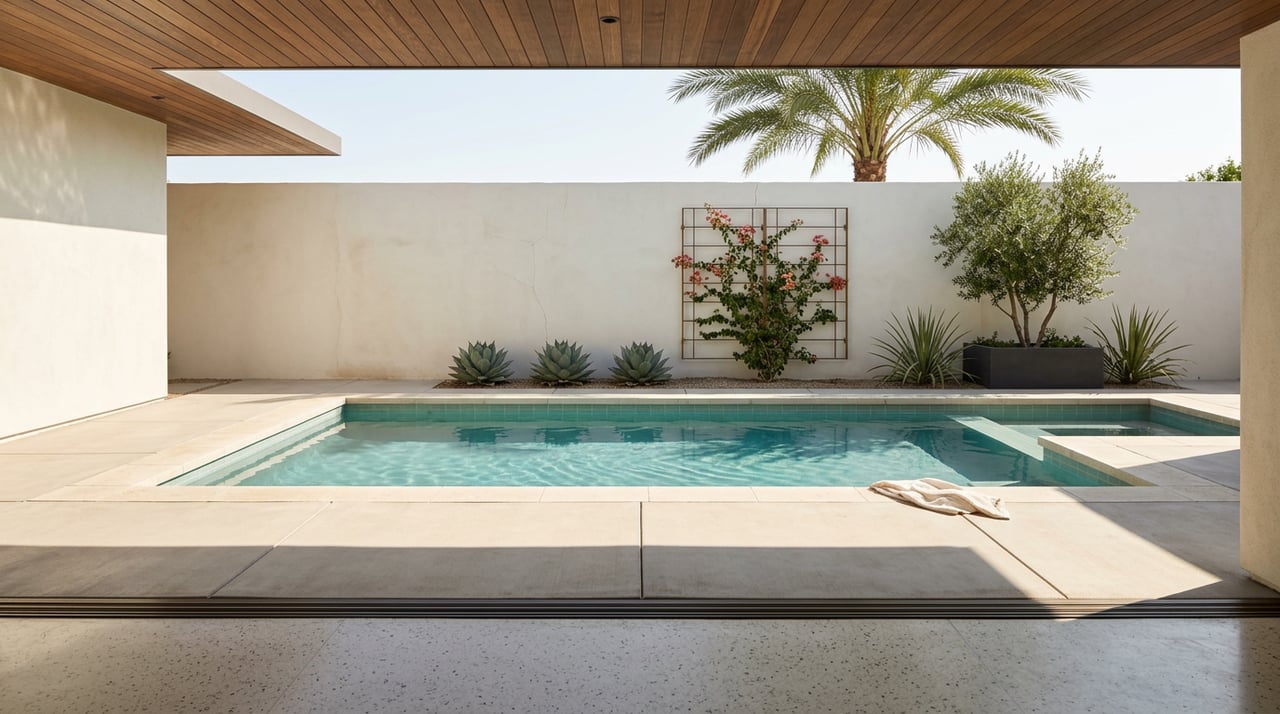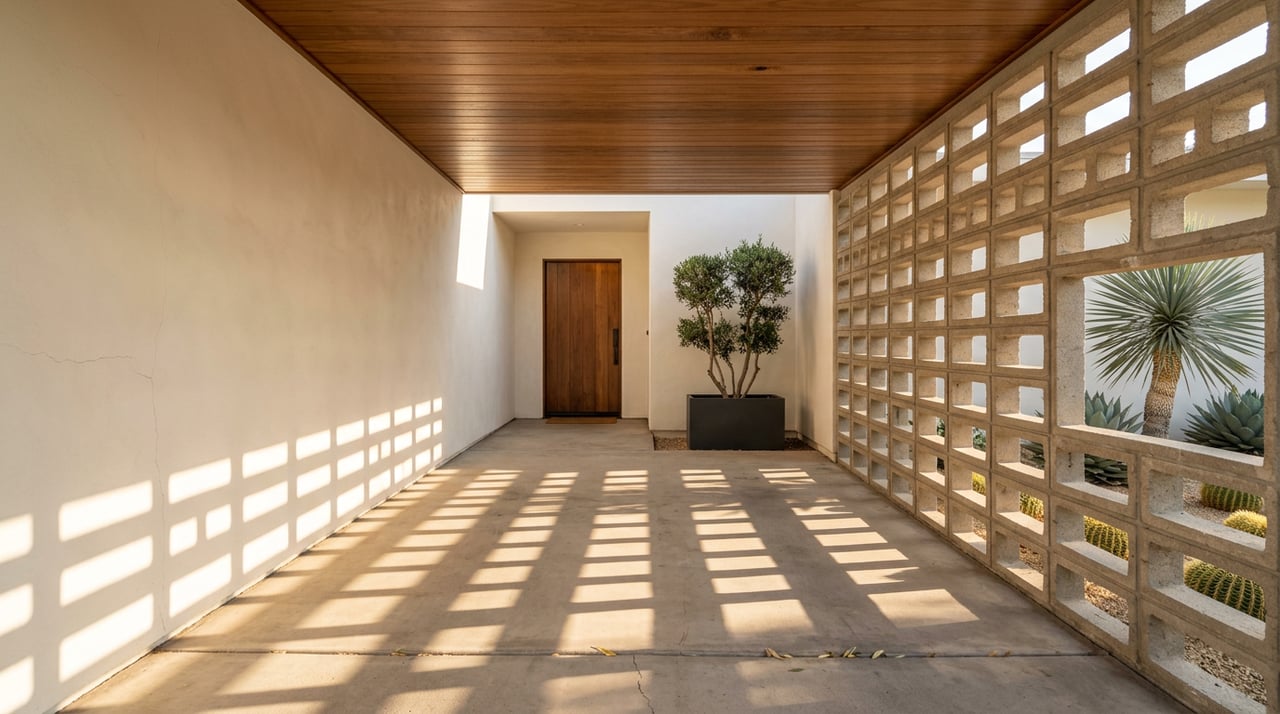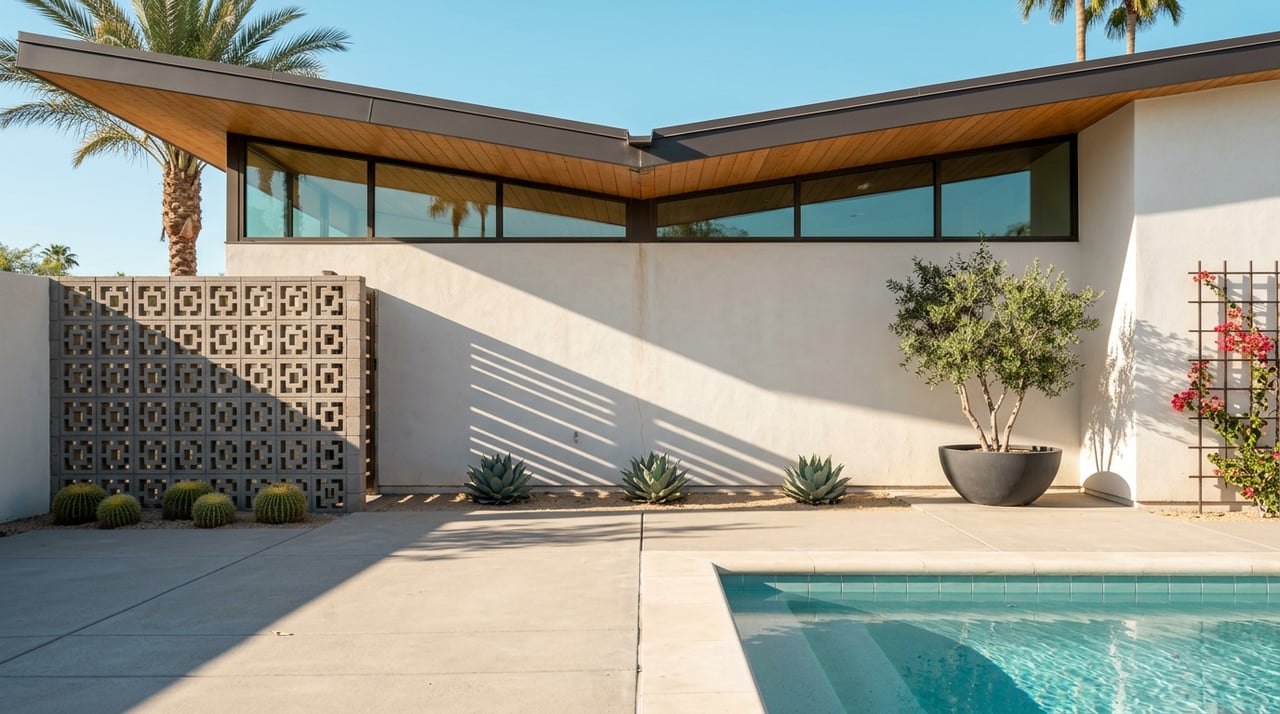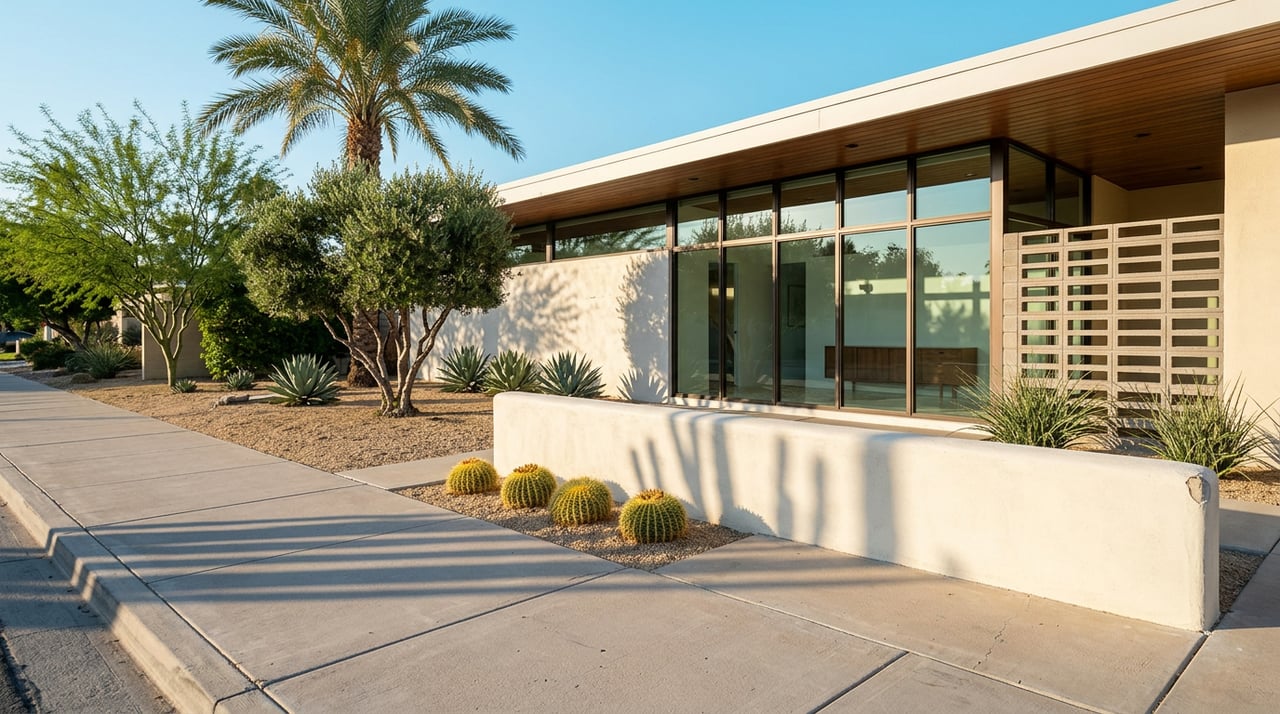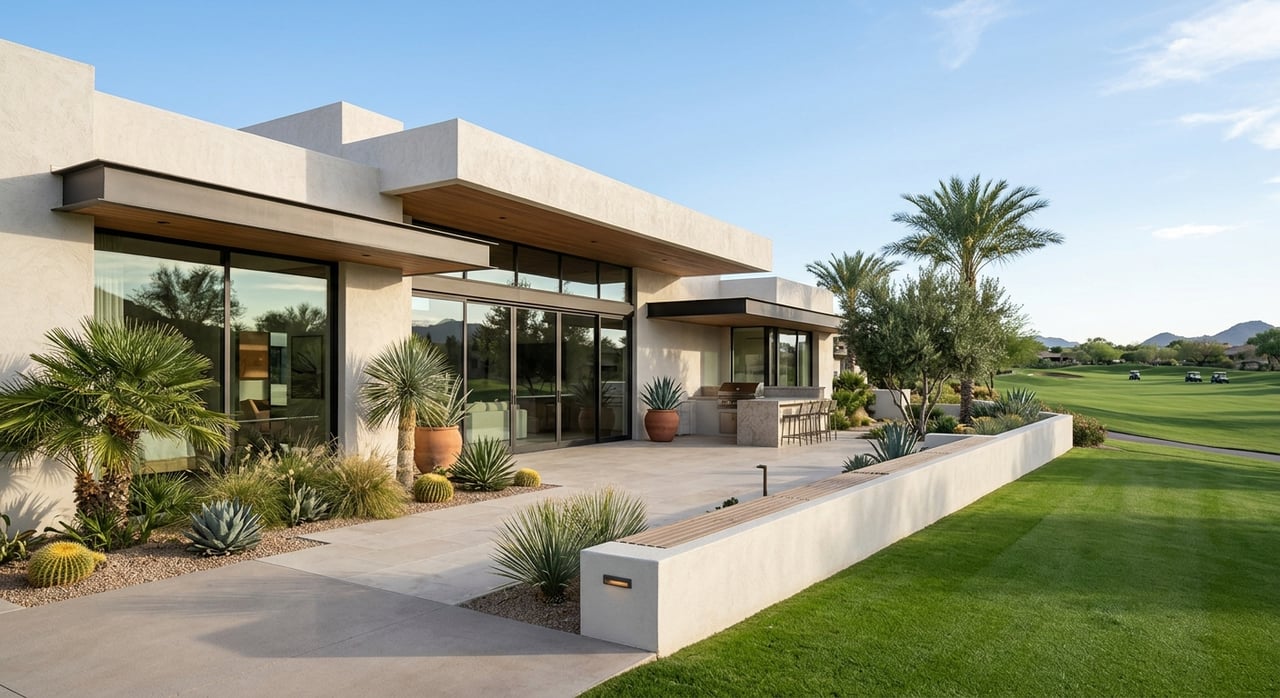
Wondering if a La Quinta golf-course home feels like a private retreat or just a house beside a fairway? In many cases, it feels much closer to a resort-style lifestyle, but the day-to-day experience depends heavily on which community you choose. If you are considering a full-time move, a seasonal escape, or a lock-and-leave second home, understanding how La Quinta golf-course living actually works can help you buy with more confidence. Let’s dive in.
La Quinta golf-course living is community-driven
When people picture a La Quinta golf-course home, they often imagine one uniform lifestyle. In reality, the City of La Quinta identifies a range of golf-oriented specific-plan areas, including PGA WEST, Rancho La Quinta, The Quarry, Citrus Club, La Quinta Resort & Club, and Mountain View Country Club. That means your ownership experience can vary quite a bit from one address to the next.
Some communities are centered on private club life, while others are shaped more by HOA-managed surroundings and a resort-like setting. In other words, buying on a golf course in La Quinta is not just about the view from your patio. It is also about the rules, services, amenities, and access that come with the community itself.
The setting feels polished and resort-like
A big part of the appeal is the environment around you. In PGA WEST RES I, for example, the HOA describes a gated and guarded setting with fairway and mountain views, five private lakes, 54 pools with spas, and maintained common landscaping, irrigation, and ambient lighting. That type of planning helps explain why golf-course homes in La Quinta often feel more like part of a private resort than a standard neighborhood.
For you as an owner, that can translate into a cleaner visual experience and less day-to-day exterior upkeep. Streetscapes tend to feel curated, and shared spaces are typically designed to support a polished desert lifestyle. If you value a home that feels elevated the moment you drive through the gate, this is often a major plus.
Daily life follows the desert seasons
One of the most important things to know is that La Quinta living changes with the weather. NOAA climate normals for the nearby Palm Springs station show average daily highs around 70.5°F in January, 103.6°F in June, 108.6°F in July, 108.1°F in August, and 91.1°F in October. Annual precipitation is only 4.61 inches, which helps define the dry desert rhythm of the area.
In the cooler months, outdoor living tends to take center stage. This is when patios, golf rounds, walking paths, pools, and outdoor dining feel especially comfortable. It is also when the broader social season picks up, with late-fall and winter activity drawing more seasonal residents back to town.
Summer is a different experience, but not necessarily a downside if you know what to expect. Local resort guidance notes that many outdoor activities shift to early morning or after sunset during the warmest months, with July and August being especially hot. In practical terms, summer living often revolves around shade, pool time, shorter outdoor windows, and a slower pace during the day.
The social side often matters as much as golf
Many buyers start with the course view, then stay for the club culture. PGA WEST says members can access four golf courses along with dining, tennis and pickleball, a sports club, a dog park, and social events. The fact that its season-opening party in November sells out says a lot about how important the social calendar can be.
La Quinta Resort’s membership program also emphasizes a broader lifestyle mix, including golf, tennis, fitness, social events, and club discounts. At Citrus Club, there are different membership categories, including golf, sport, and social options. Its social membership includes access to pools, spas, tennis, pickleball, fitness classes, and discounts.
This matters because a golf-course home in La Quinta is often not only about playing golf. It can also be about having a built-in routine, seeing familiar faces, and enjoying amenities that make the home feel more usable year-round. If you want an active social environment, the right community can deliver that.
Life extends beyond the gates
Even if you love a club setting, La Quinta offers more than clubhouse life. Visitor resources highlight destinations and events such as Old Town La Quinta, the certified farmers market that runs Sundays from October through May, Old Town Artisan Studios, and the La Quinta Art Celebration. These add another layer to the ownership experience.
For you, that means golf-course living does not have to feel isolated. You may spend one day at the pool or on the course, then head into town for dining, shopping, art, or a seasonal event. That mix is one reason La Quinta appeals to buyers who want both resort ease and a stronger connection to the wider desert lifestyle.
HOA upkeep can simplify ownership
One of the most practical advantages of owning in a golf-course community is shared maintenance. In PGA WEST RES I, the HOA states that each unit receives gardening service once every ten workdays, lawns are mowed weekly, trim is painted every five years, and stucco is painted every ten years. The HOA also outlines procedures for issues such as roof tiles, irrigation, and exterior lighting.
That kind of structure can be especially appealing if you do not want to manage every exterior detail yourself. For full-time owners, it can make day-to-day living feel more predictable. For second-home owners, it can support the kind of lock-and-leave ownership that is often high on the wish list.
The tradeoff is that the home may feel more managed than a typical non-HOA property. You may have fewer choices about how and when certain outdoor maintenance happens, but in return you often get a more consistent overall environment.
Rules shape the ownership experience
La Quinta golf-course ownership comes with real rules, and they are worth understanding early. PGA WEST RES I states that homeowners cannot adjust watering times in their own yard, and landscape changes require HOA approval. These kinds of policies are not unusual in resort-style communities where visual consistency and efficient operations matter.
Local water policy also influences what ownership looks like. Coachella Valley Water District landscape rules require climate-adapted plants for 75% of planted area, limit turf to 25% of the landscape, and require automatic irrigation controllers that use evapotranspiration or soil-moisture data plus a rain sensor. In short, desert-appropriate landscaping is not just a style preference here. It is part of the local framework.
For you, the takeaway is simple: read the rules carefully. If you want a highly customized yard or a lot of control over landscape timing and design, some communities may fit better than others.
Membership is not always included
This is one of the biggest points buyers should verify before making an offer. In PGA WEST RES I, the HOA states clearly that homeownership does not include club membership or access to private courses, and HOA dues do not fund golf operations. That separation between HOA maintenance and club access is important.
Some buyers assume that owning on or near a course automatically gives them golf privileges or full club use. In La Quinta, that may be optional, separate, or structured in different ways depending on the community. It is a detail that can significantly affect both your budget and your daily lifestyle.
Course maintenance is part of the rhythm
Living on a golf course also means living with golf-course operations. La Quinta Resort posts aeration and overseed closure schedules for its courses, which means owners and guests should expect occasional tee-time disruptions and visible maintenance work during parts of the year. Even in beautifully maintained communities, the course is still an actively managed landscape.
That does not usually reduce the overall appeal, but it does shape expectations. If you are buying primarily for golf access, ask how maintenance windows typically affect play. If you are buying for scenery first, understand that parts of the course may look different during seasonal work.
Why it works for full-time and second-home owners
For full-time residents, the appeal is often convenience and routine. Gated access, patrols, common-area upkeep, and a robust social calendar can create a smooth, resort-style pattern to everyday life. If you want easy access to amenities and a visually maintained setting, this can be a strong match.
For second-home owners, the draw is often simplicity. HOA-managed landscaping and common areas can reduce the amount of weekly attention a property needs when you are away. In the right community, that lock-and-leave structure can make ownership feel more practical and enjoyable.
What to confirm before you buy
Before you move forward on a La Quinta golf-course home, focus on the details that most affect how you will live there.
- Whether club membership is included, optional, or separate
- What the HOA maintains versus what you maintain
- How landscape approvals and irrigation rules work
- Whether the community fits your full-time or seasonal lifestyle
- How seasonal course maintenance may affect views or play
- Which non-golf amenities matter most to you, such as pools, fitness, tennis, pickleball, dining, or social events
The right match is not only about the house. It is about how the community supports the version of desert living you want.
If you are exploring golf-course homes in La Quinta, a clear read on the community can make all the difference. The most successful purchases usually happen when you look beyond the fairway and understand the full ownership picture, from club access to HOA structure to seasonal lifestyle patterns. When those pieces line up, owning in La Quinta can feel every bit as relaxed, polished, and rewarding as buyers hope.
If you want help comparing La Quinta golf-course communities and finding the right fit for your lifestyle, connect with Sarah and James Luxury.
FAQs
What is daily life like in a La Quinta golf-course home?
- Daily life often feels resort-oriented, with gated entries, maintained landscaping, shared amenities, and routines that shift with the cooler season and hotter summer months.
Do La Quinta golf-course homes include club membership?
- Not always. In some communities, homeownership is separate from club membership, golf access, and private-course privileges.
Are La Quinta golf-course homes good for second-home owners?
- They can be, especially in communities where HOA-managed landscaping and common-area upkeep support a lock-and-leave lifestyle.
What rules should buyers expect in La Quinta golf-course communities?
- Buyers should expect HOA rules around landscape changes, irrigation practices, exterior upkeep, and community maintenance procedures.
How does summer affect La Quinta golf-course living?
- Summer usually shifts outdoor activity to early mornings and evenings, with more emphasis on shade, pools, and indoor comfort during the hottest part of the day.
What should buyers verify before buying a La Quinta golf-course home?
- Buyers should confirm club access, HOA responsibilities, seasonal course maintenance, and landscape rules before making an offer.