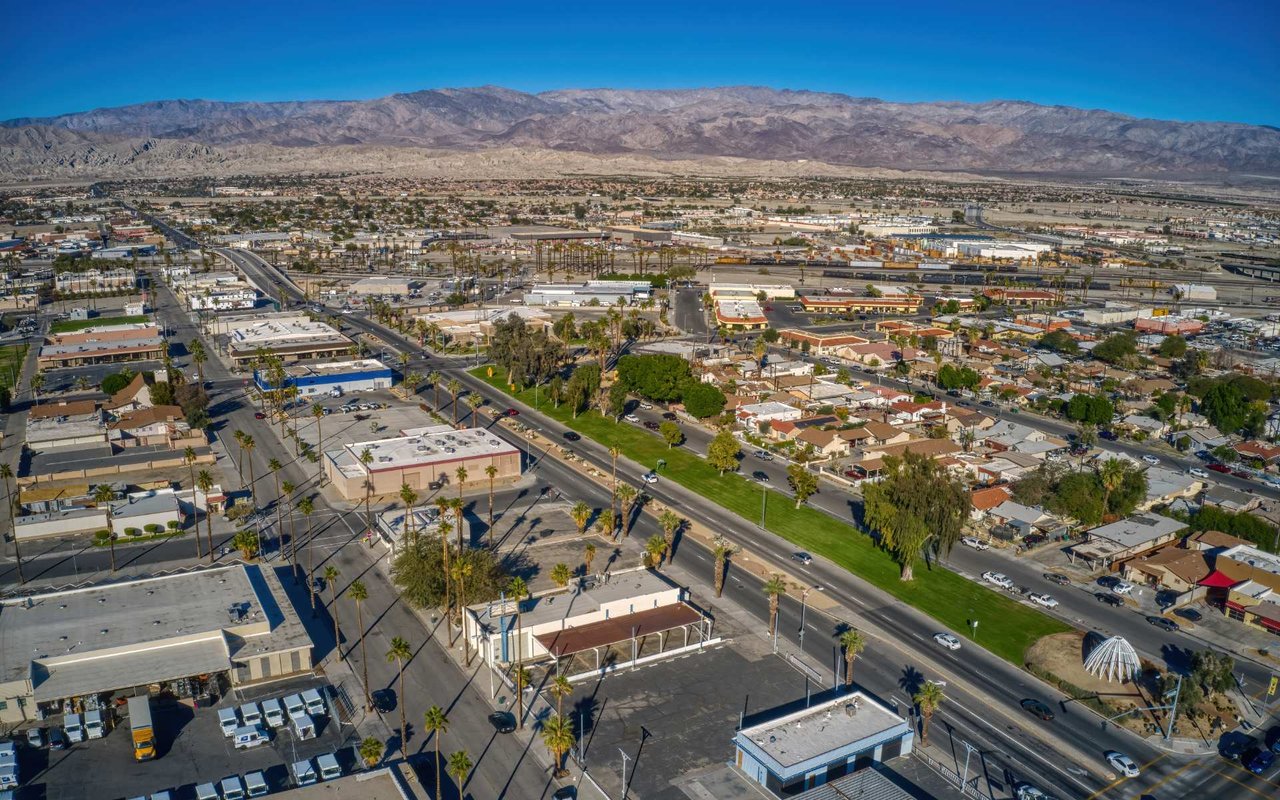
Palm Desert is the Coachella Valley's most complete city — a sophisticated desert community where world-class shopping on El Paseo, 100-plus golf courses, the McCallum Theatre's performing arts calendar, College of the Desert's cultural campus, and one of Southern California's finest public art programs combine to create a lifestyle that distinguishes itself from every neighboring desert city. Located between Palm Springs to the northwest and Indian Wells to the southeast, Palm Desert has evolved from a modest agricultural community into the commercial and cultural hub of the entire Coachella Valley without sacrificing the desert character that makes it worth choosing.
Palm Desert attracts retirees, second-home buyers, remote professionals, golf enthusiasts, arts community members, and families seeking a year-round desert lifestyle with urban amenity completeness. Whether you're searching for a luxury golf estate, a contemporary condo near El Paseo, a traditional family home in a gated community, or a vacation property with mountain views, Palm Desert offers one of the desert's most versatile and consistently in-demand real estate markets.
Palm Desert incorporated as a city in 1973, though the area's development began in earnest in the 1940s and 1950s when visionaries including Cliff Henderson laid the groundwork for a planned desert community. The Desert Magazine and the early resort developments that preceded the city's incorporation established Palm Desert's identity as a deliberate, quality-focused alternative to its neighbor Palm Springs — more commercial, more complete, and more oriented toward year-round livability than purely resort experience.
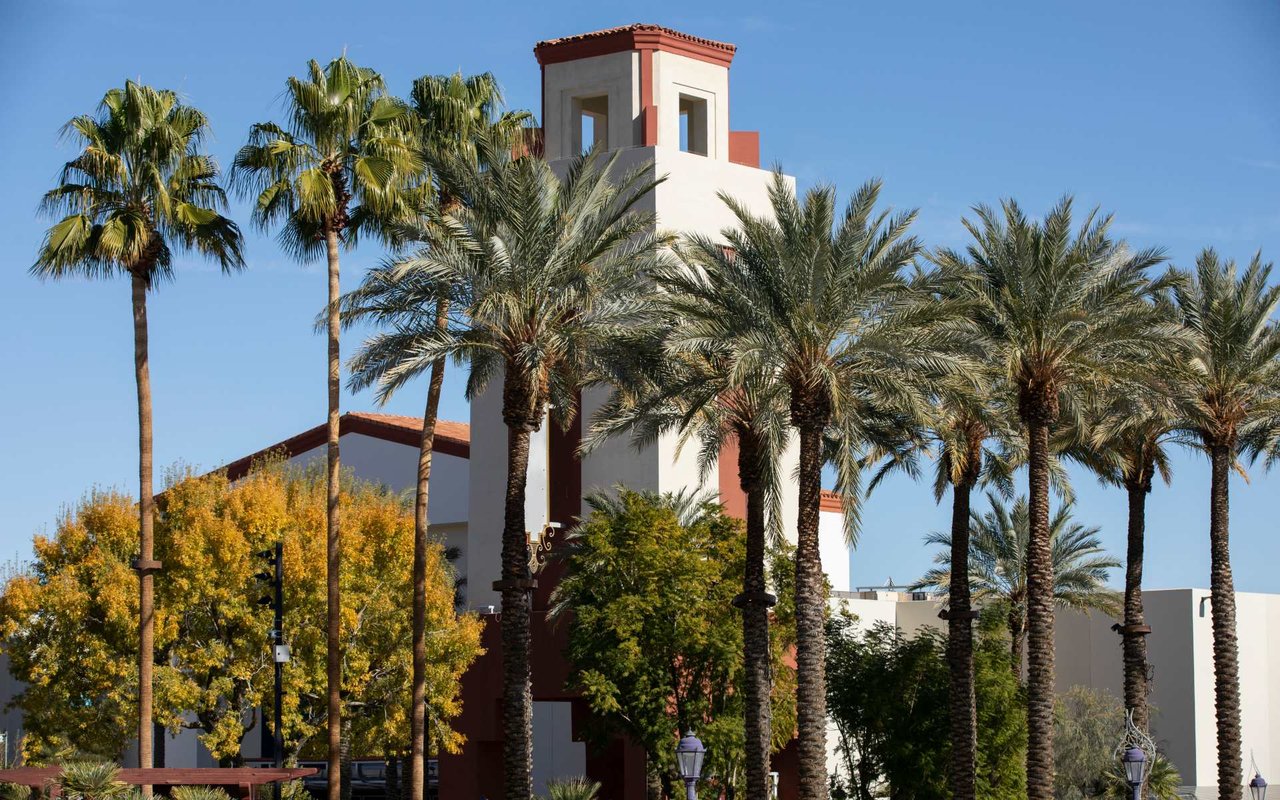
The 1984 opening of the McCallum Theatre anchored Palm Desert's cultural identity, giving the Coachella Valley its premier performing arts venue and reinforcing Palm Desert's position as the valley's civic center. College of the Desert's Sunnylands Auditorium and the city's ongoing El Paseo outdoor sculpture program reflect a community that has consistently invested in cultural infrastructure alongside its commercial development.
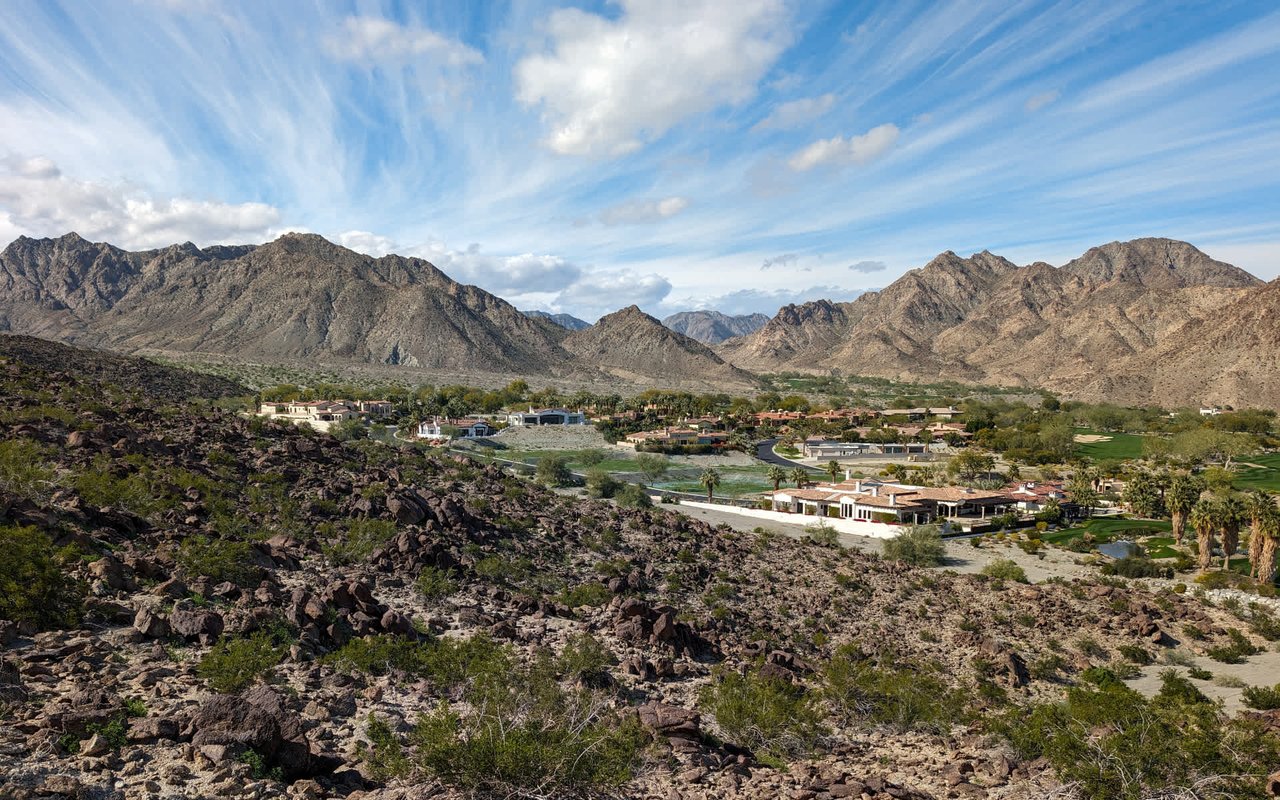
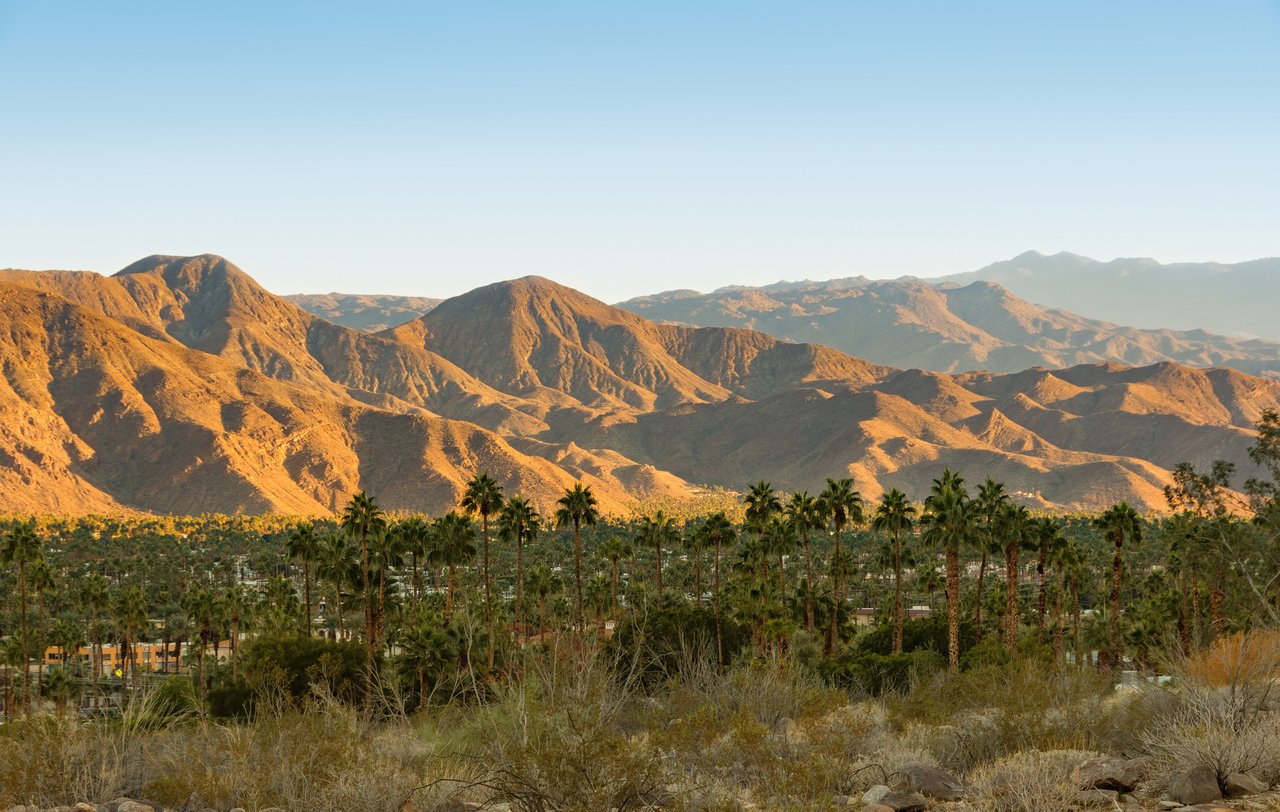
Palm Desert is located in Riverside County at the center of the Coachella Valley, approximately 120 miles east of Los Angeles via Interstate 10. The Santa Rosa Mountains form its dramatic southern backdrop, and the city's position midway between Palm Springs and the more easterly communities of La Quinta and Indio gives it genuinely central access to the valley's full range of amenities — the valley's best shopping, healthcare, education, and arts are concentrated in or adjacent to Palm Desert.
Highway 74 connects Palm Desert south to the mountain communities of Idyllwild, offering a dramatically scenic alternative drive. The Palm Springs International Airport is approximately 15 minutes northwest, and California State University San Bernardino's Palm Desert Campus and College of the Desert are both within the city — giving Palm Desert the educational infrastructure that the valley's other cities lack.
El Paseo — "The Rodeo Drive of the Desert" — is Palm Desert's defining commercial asset and one of Southern California's premier luxury retail and dining corridors. Running a full mile through the heart of the city, El Paseo hosts fine dining restaurants, sidewalk cafés, upscale boutiques, art galleries, and outdoor sculpture installations alongside national luxury brands including Tiffany, Gucci, and Louis Vuitton. The Michelin-starred JIKO and locally beloved Lavender Bistro, Tommy Bahama, and Vue Grille & Bar anchor a dining scene that consistently outperforms what the desert's tourist economy would predict.
The McCallum Theatre is the valley's premier performing arts venue, hosting Broadway productions, symphony performances, comedy, and internationally recognized artists throughout its October through May season. The Civic Center Park's amphitheater hosts outdoor concerts and community events, and the College of the Desert Street Fair — held every Saturday and Sunday during season — is one of Southern California's most beloved outdoor markets.
El Paseo provides the Coachella Valley's most complete luxury retail experience, with designer boutiques, jewelry stores, home décor galleries, and specialty retailers stretching across a pedestrian-friendly mile that no other valley city can replicate. Beyond El Paseo, the Westfield Palm Desert mall serves the valley's everyday retail needs with major department stores and a full-service dining and entertainment corridor.
The College of the Desert Street Fair, held Saturday and Sunday mornings during the cooler months, supplements the formal retail landscape with artisan vendors, fresh produce, antiques, and local makers in a community gathering format that residents consistently describe as one of the valley's most enjoyable weekly traditions.
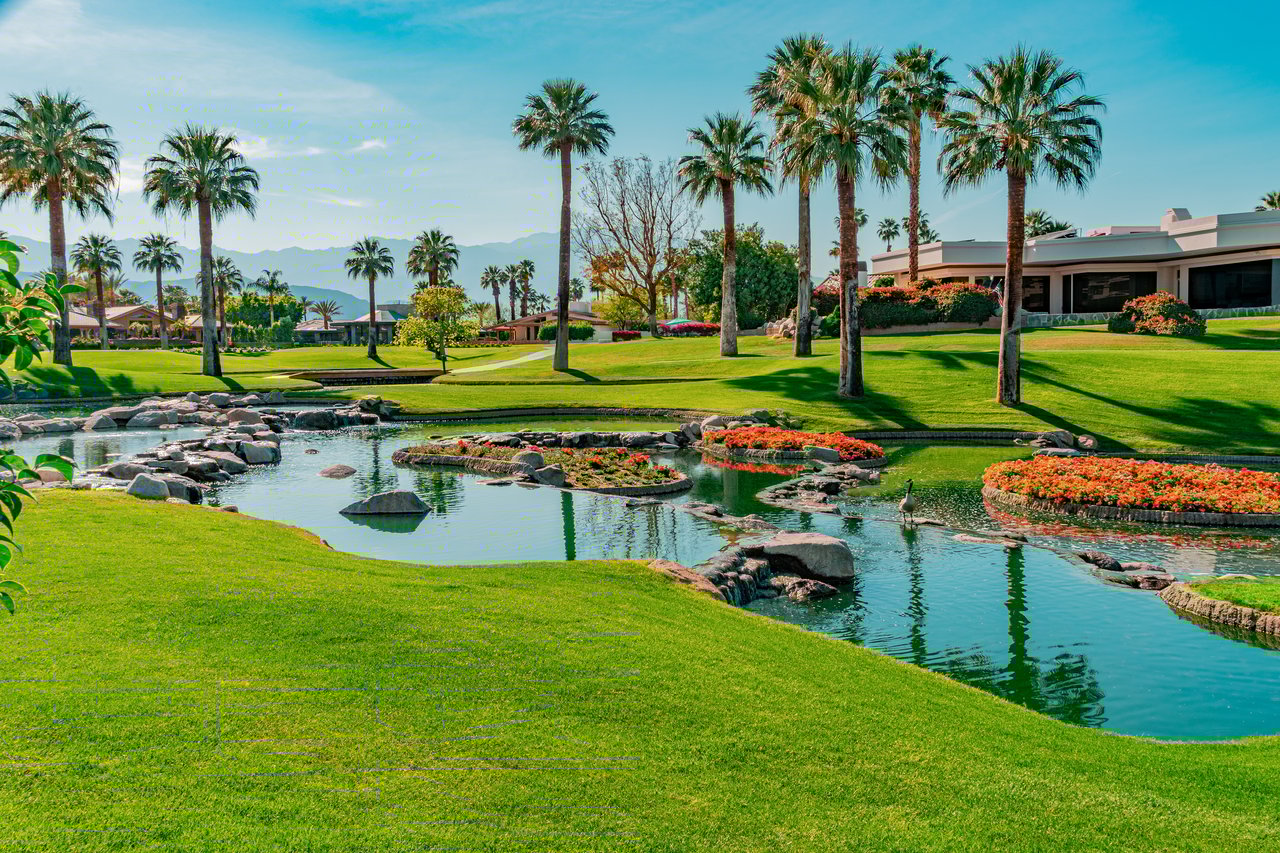
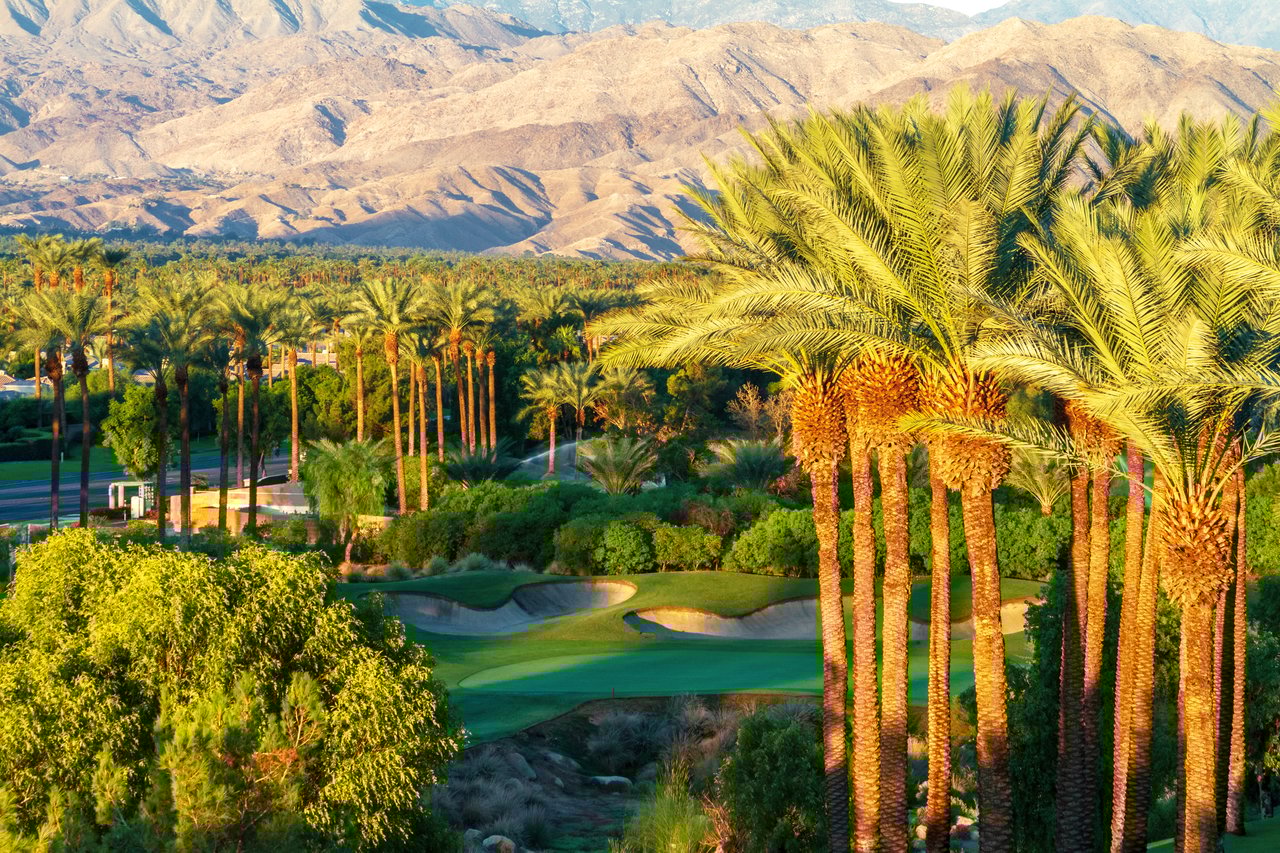
Palm Desert's outdoor lifestyle centers on its 120-plus public and private golf courses — including the Indian Ridge Country Club, Desert Willow Golf Resort (a city-owned municipal course ranked among California's finest public courses), and Shadow Mountain Golf Club — alongside the Bear Creek Trail and extensive cycling network that connects the city to the broader Coachella Valley Bike Path.
The Living Desert Zoo and Gardens is Palm Desert's most distinctive community asset — a world-class wildlife and botanical park with over 450 animals and 1,500 plant species native to the world's deserts, serving as both a community gathering place and a scientific institution. The Santa Rosa and San Jacinto Mountains National Monument's trailheads provide access to rugged desert hiking just south of the city, and the Palm Springs Aerial Tramway is 15 minutes north for those seeking the dramatic elevation change to alpine terrain.
Palm Desert is served by the Desert Sands Unified School District, which includes Palm Desert High School and several well-regarded elementary and middle school campuses. College of the Desert — the Coachella Valley's primary community college — is headquartered in Palm Desert, providing vocational, transfer-track, and continuing education programming directly within the city. California State University San Bernardino's Palm Desert Campus offers bachelor's and graduate degree programs, giving Palm Desert the kind of higher education access that is exceptional for a city of its size.
Private school options in and around Palm Desert include Palm Valley School and several faith-based institutions serving the broader valley community.
Interstate 10 runs along Palm Desert's northern edge, providing direct highway access to Los Angeles, the Inland Empire, and Phoenix — making Palm Desert the valley's most freeway-accessible residential city. Palm Springs International Airport is approximately 15 to 20 minutes northwest via Highway 111, with service to major domestic hubs making Palm Desert genuinely practical for frequent travelers and seasonal residents who split time between the desert and other markets.
Highway 111 — the valley's primary surface street — runs through Palm Desert, connecting residents to Palm Springs, Rancho Mirage, Indian Wells, and La Quinta with a single continuous arterial. Most valley amenities, healthcare at Eisenhower Health in Rancho Mirage, and the full range of shopping and dining destinations are accessible within a short drive.
The Greater Palm Springs area ended April 2026 with a median sold price of $675,000, with an average of 75 days on market and a sold-to-list price ratio of 95%. Palm Desert's specific pricing occupies a broad range — entry-level condominiums begin in the $300,000s, established single-family homes with golf course or mountain views typically range from $700,000 to $2 million, and premier estates in communities like Indian Ridge, The Reserve, or Bighorn Golf Club can reach $5 million to $10 million or more.
Palm Desert's market benefits from a diversified buyer pool that includes primary residents, seasonal snowbirds, retirees, and investment buyers — giving it more sustained year-round transaction volume than communities whose markets are purely vacation-driven. Desert Willow's surrounding communities, the South Palm Desert corridor near The Gardens on El Paseo, and established neighborhoods like Ironwood Country Club represent the market's most consistently active and competitive segments.
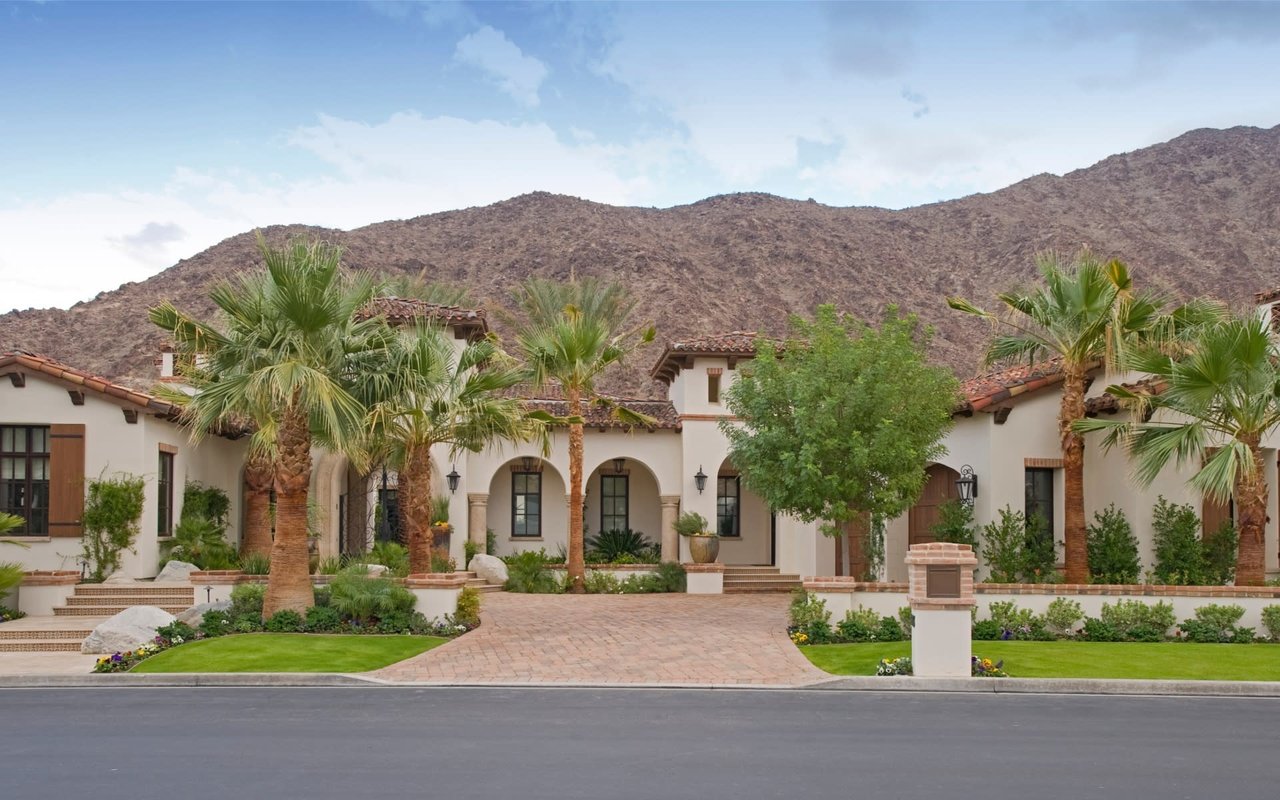
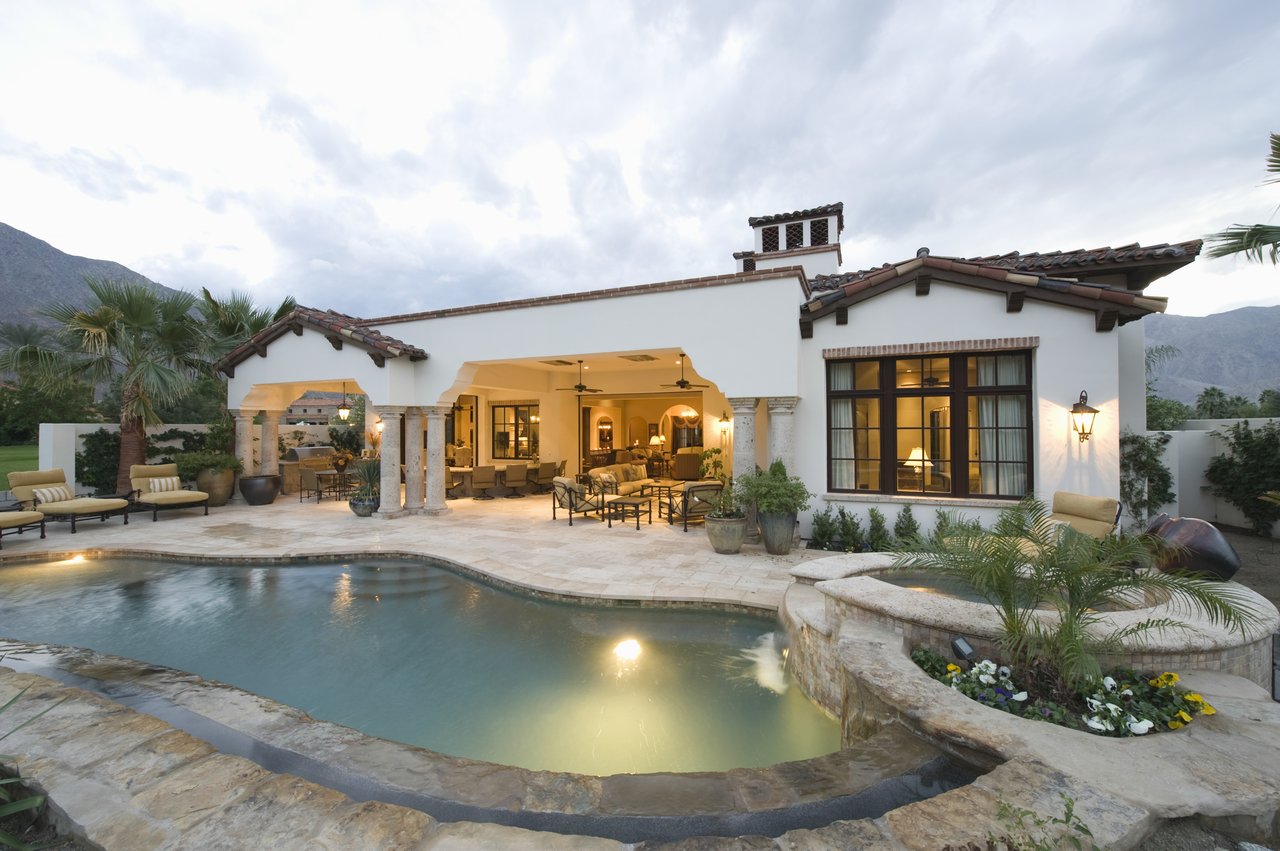
Palm Desert's defining luxury residential product — custom and semi-custom estate residences within private country clubs including Bighorn Golf Club, Indian Ridge Country Club, The Reserve, and Ironwood Country Club. These properties range from $1.5 million to $10 million or more for premier positions within membership-gated communities.
The city-owned Desert Willow corridor anchors a concentration of upscale gated communities offering single-family homes and attached residences alongside the municipal golf resort's championship courses — some of the most competitive and in-demand residential positions in the broader Palm Desert market.
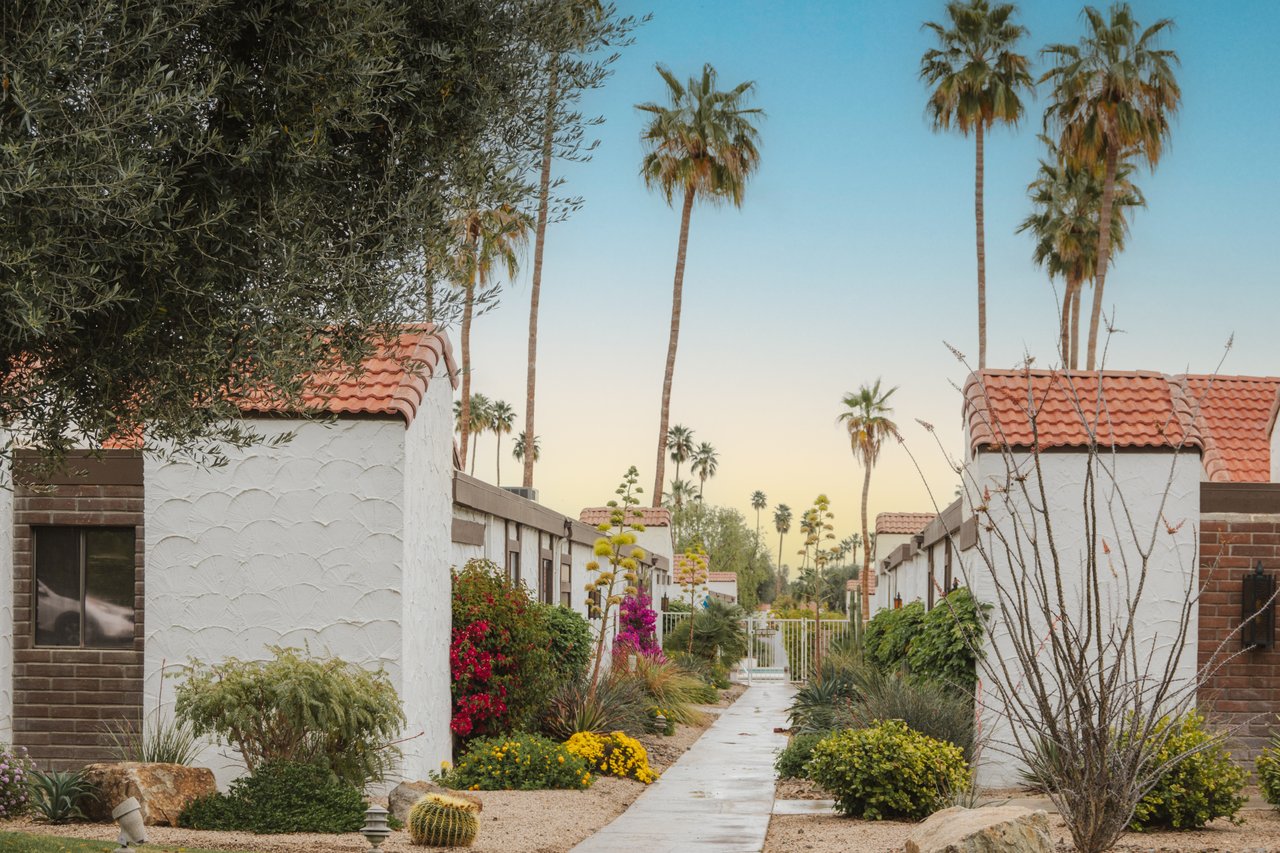
Palm Desert has the valley's most extensive condominium inventory — ranging from accessible 55+ communities in the $200,000s to luxury high-rise and townhome residences near El Paseo in the $700,000s and above. This diversity makes Palm Desert the most flexible entry point into Coachella Valley ownership for buyers at varied price points.
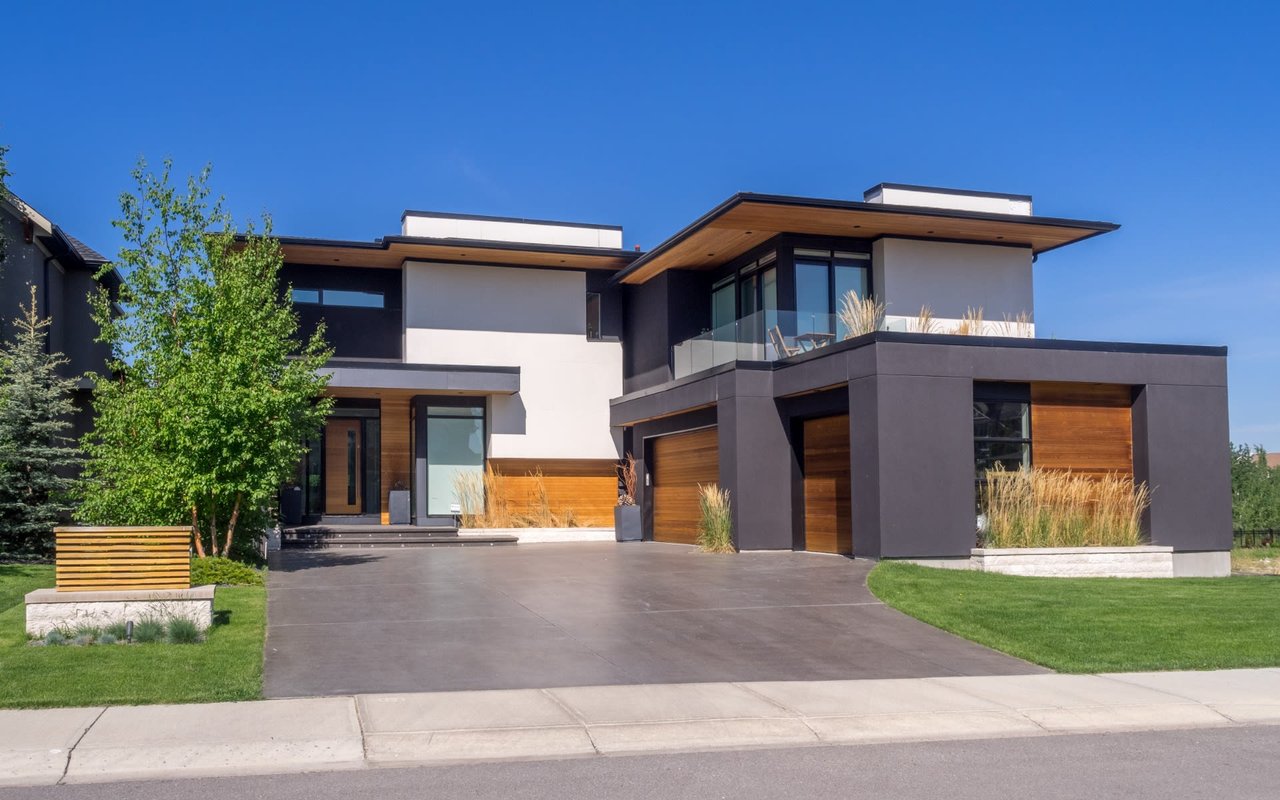
Palm Desert's ongoing residential development includes a meaningful supply of contemporary single-family homes and custom residences that appeal to buyers relocating from Los Angeles and other California markets who want current design standards alongside the desert lifestyle.
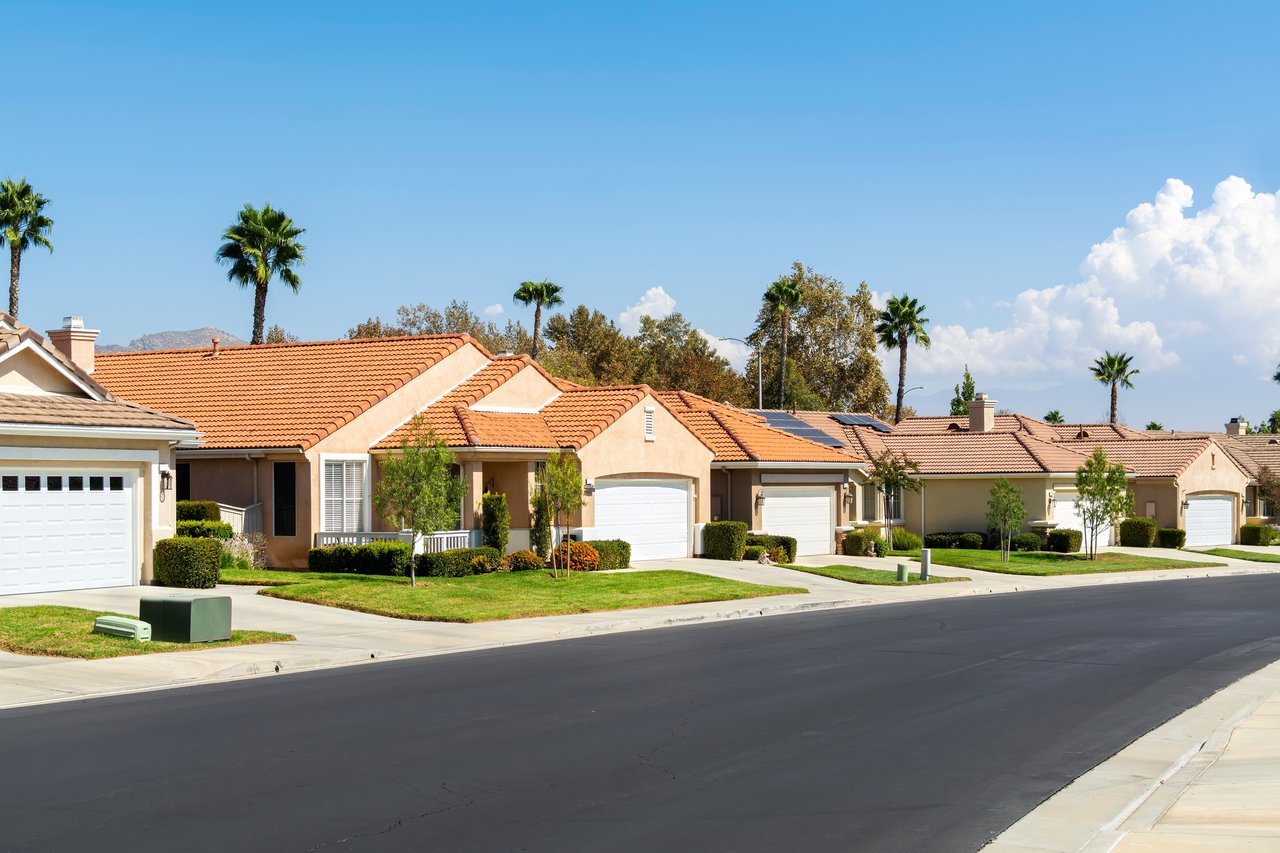
Established non-gated neighborhoods throughout Palm Desert offer traditional single-family homes at price points below the private club communities — appealing to full-time residents, families, and buyers prioritizing space and value over golf membership access.
30,751 people live in Palm Desert, where the median age is 58 and the average individual income is $54,963. Data provided by the U.S. Census Bureau.
Total Population
Median Age
Population Density Population Density This is the number of people per square mile in a neighborhood.
Average individual Income
There's plenty to do around Palm Desert, including shopping, dining, nightlife, parks, and more. Data provided by Walk Score and Yelp.
Explore popular things to do in the area, including Soulfusion Bites, Eric Redd's Golf Event, and Leyla The Trainer.
| Name | Category | Distance | Reviews |
Ratings by
Yelp
|
|---|---|---|---|---|
| Dining | 0.48 miles | 0 reviews | 0/5 stars | |
| Active | 0.4 miles | 0 reviews | 0/5 stars | |
| Active | 0.48 miles | 0 reviews | 0/5 stars | |
| Active | 0.48 miles | 0 reviews | 0/5 stars | |
| Active | 0.48 miles | 0 reviews | 0/5 stars | |
| Active | 0.48 miles | 0 reviews | 0/5 stars | |
| Active | 0.48 miles | 0 reviews | 0/5 stars | |
| Beauty | 0.48 miles | 0 reviews | 0/5 stars | |
| Beauty | 0.48 miles | 0 reviews | 0/5 stars | |
| Beauty | 0.48 miles | 0 reviews | 0/5 stars | |
| Beauty | 0.48 miles | 0 reviews | 0/5 stars | |
| Beauty | 0.48 miles | 0 reviews | 0/5 stars | |
| Beauty | 0.48 miles | 0 reviews | 0/5 stars | |
| Beauty | 0.48 miles | 0 reviews | 0/5 stars | |
| Beauty | 0.48 miles | 0 reviews | 0/5 stars | |
| Beauty | 0.48 miles | 0 reviews | 0/5 stars | |
| Beauty | 0.48 miles | 0 reviews | 0/5 stars | |
| Beauty | 0.48 miles | 0 reviews | 0/5 stars | |
| Beauty | 0.48 miles | 4 reviews | 5/5 stars | |
| Beauty | 0.48 miles | 4 reviews | 4/5 stars | |
| Beauty | 0.48 miles | 4 reviews | 5/5 stars | |
| Beauty | 0.48 miles | 0 reviews | 0/5 stars | |
| Beauty | 0.48 miles | 91 reviews | 4.9/5 stars | |
| Beauty | 0.48 miles | 4 reviews | 5/5 stars | |
|
|
||||
|
|
||||
|
|
||||
|
|
||||
|
|
||||
|
|
Palm Desert has 14,525 households, with an average household size of 2.09. Data provided by the U.S. Census Bureau. Here’s what the people living in Palm Desert do for work — and how long it takes them to get there. Data provided by the U.S. Census Bureau. 30,751 people call Palm Desert home. The population density is 982 and the largest age group is Data provided by the U.S. Census Bureau.
Total Population
Population Density Population Density This is the number of people per square mile in a neighborhood.
Median Age
Men vs Women
Population by Age Group
0-9 Years
10-17 Years
18-24 Years
25-64 Years
65-74 Years
75+ Years
Education Level
Total Households
Average Household Size
Average individual Income
Households with Children
With Children:
Without Children:
Marital Status
Blue vs White Collar Workers
Blue Collar:
White Collar:
 Indian Canyons
 Palm Springs
 Rancho Mirage
 Coachella Valley
Palm Desert
Coachella Valley
Palm Desert
 Indian Wells
 La Quinta
 Bermuda Dunes
 Indio
Indio
 Cathedral City
 The Movie Colony
 Deepwell Estates
 Andreas Hills
 Cahuilla Hills
 The Mesa
 Araby Cove/Araby Commons
 Racquet Club/Racquet Club East
 Little Tuscany
 Tahquitz River Estates
 Old Las Palmas
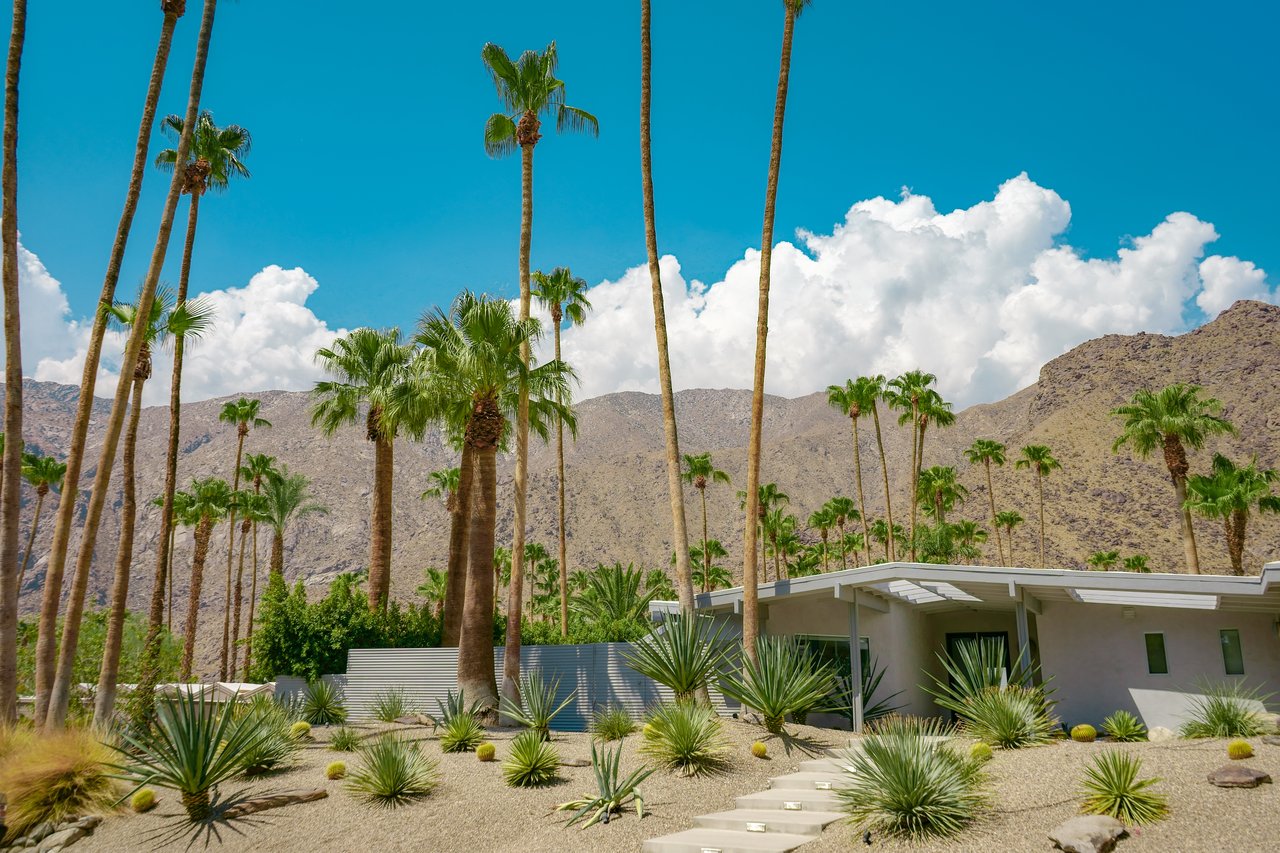 Vista Las Palmas
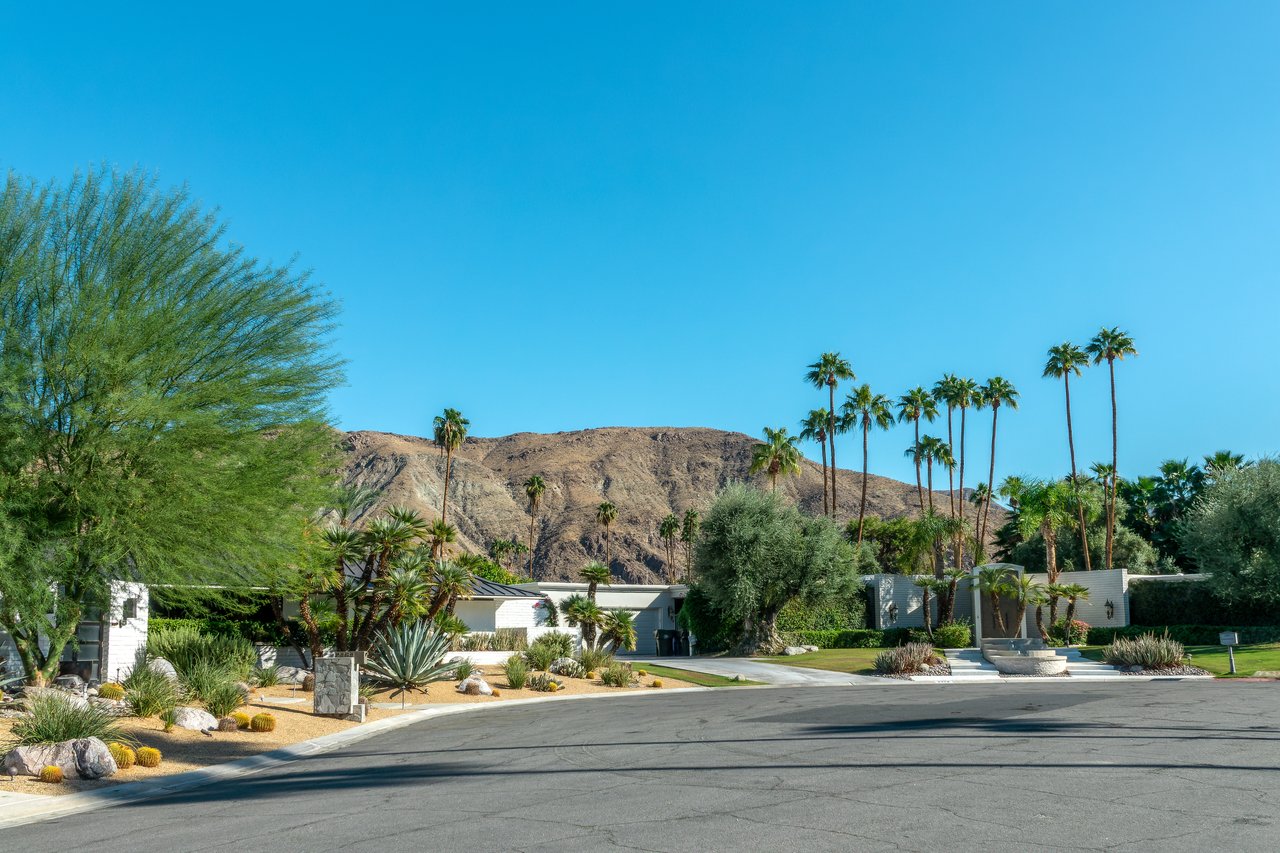 Twin Palms
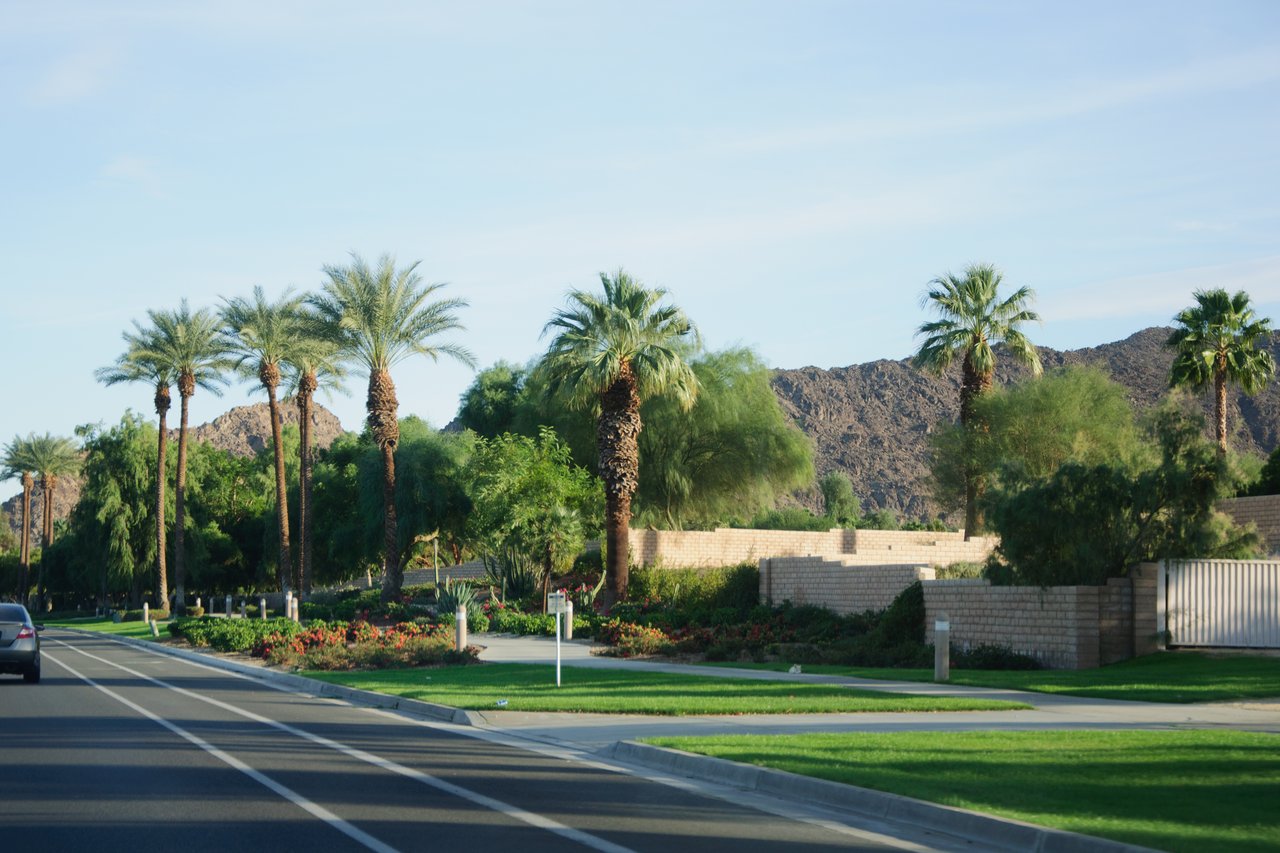 Sunrise Park
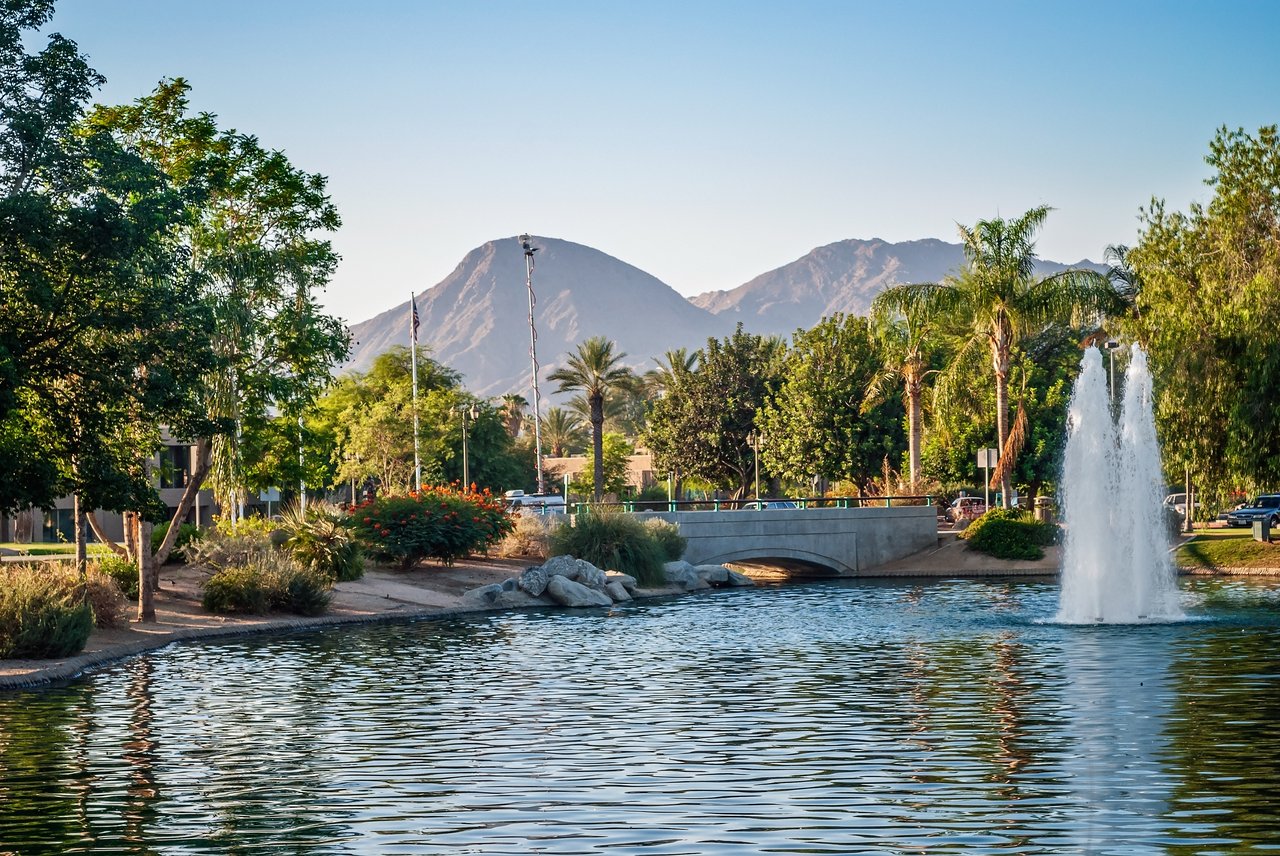 Sunmor
 Warm Sands