Are you drawn to Palm Springs modernism but unsure what makes one neighborhood stand out from another? Twin Palms is one of those rare places where architecture, history, and lifestyle come together in a way you can feel from the street. If you are thinking about buying, selling, or simply learning what gives this neighborhood its staying power, this guide will help you understand what matters most. Let’s dive in.
Why Twin Palms Matters
Twin Palms holds a special place in Palm Springs design history. City records describe it as the first truly modern housing tract in Palm Springs, developed on the city’s southern edge near the Ocotillo Lodge and originally known as Smoke Tree Valley Estates.
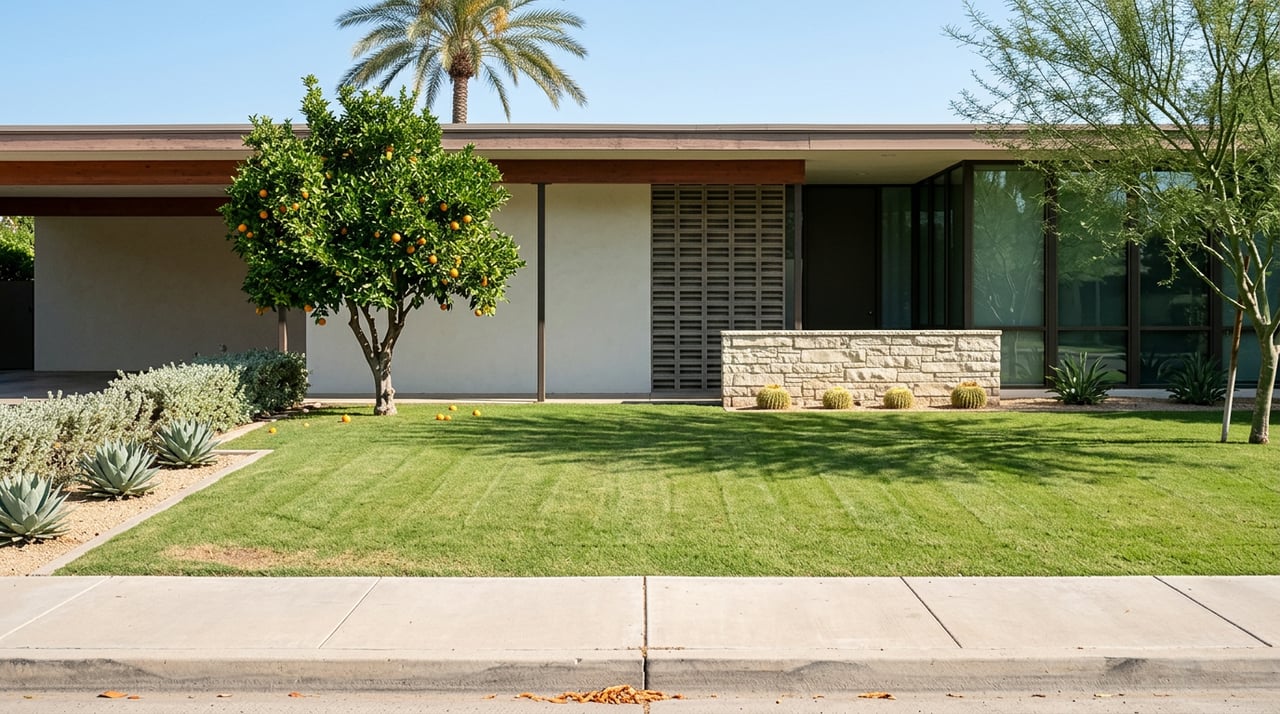
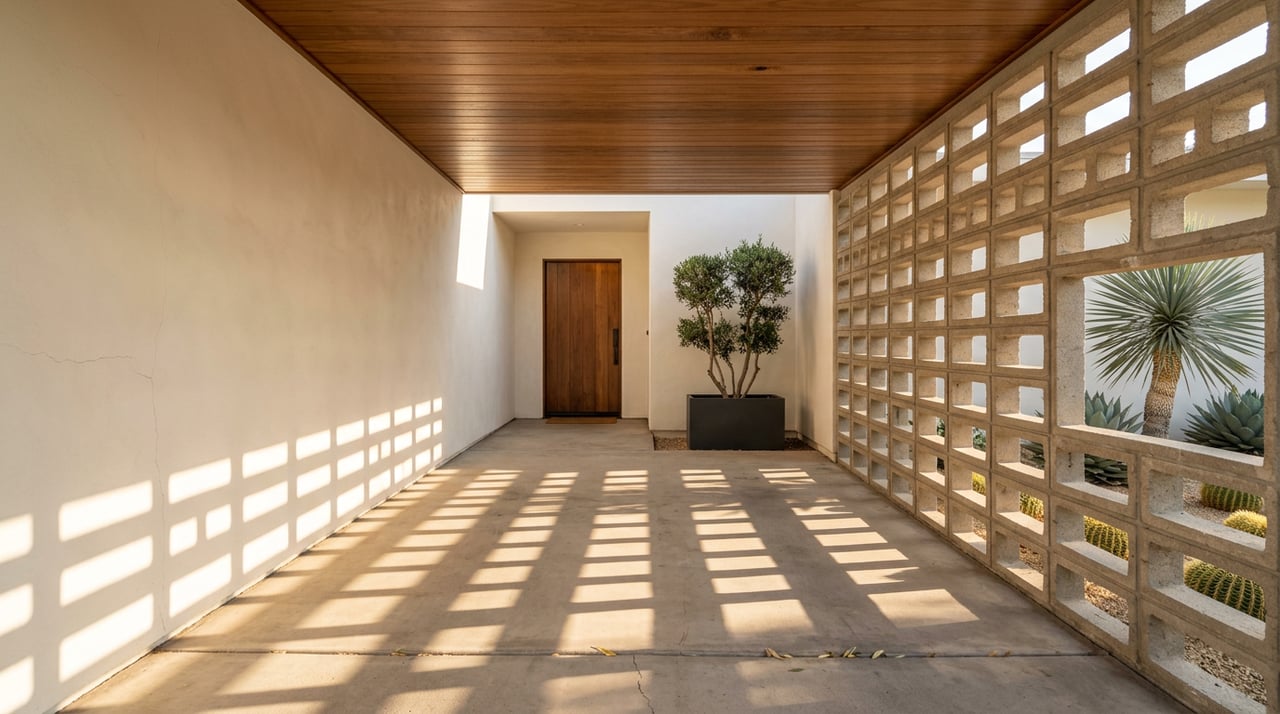
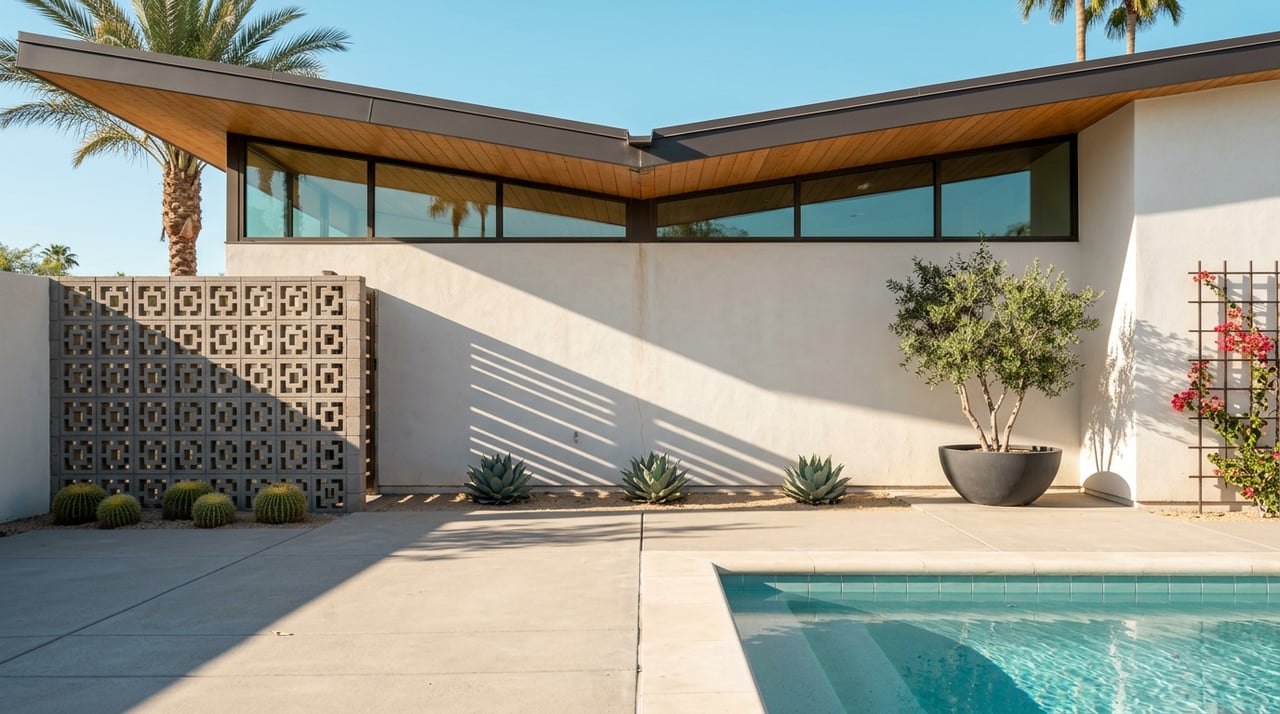
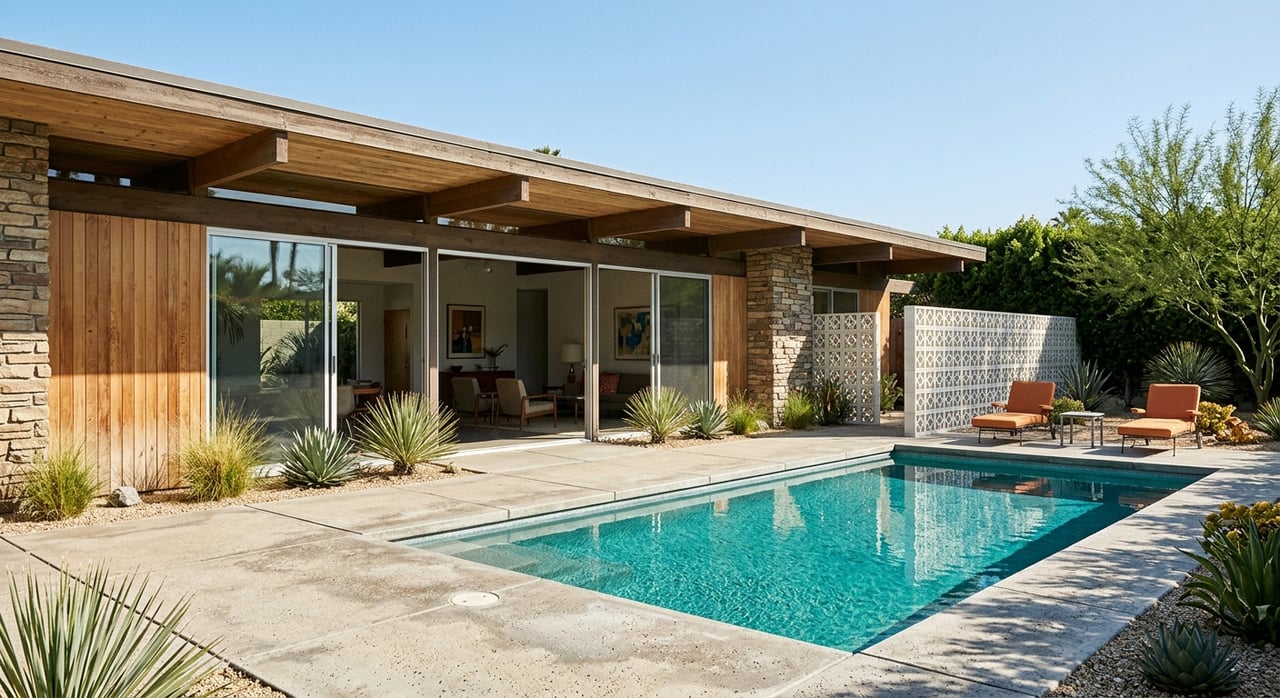
That origin story still shapes the neighborhood today. The original Alexander and Krisel vision introduced design elements that became closely tied to desert modern living, including open carports, clerestory windows, exposed concrete block, breezeways, and butterfly roofs.
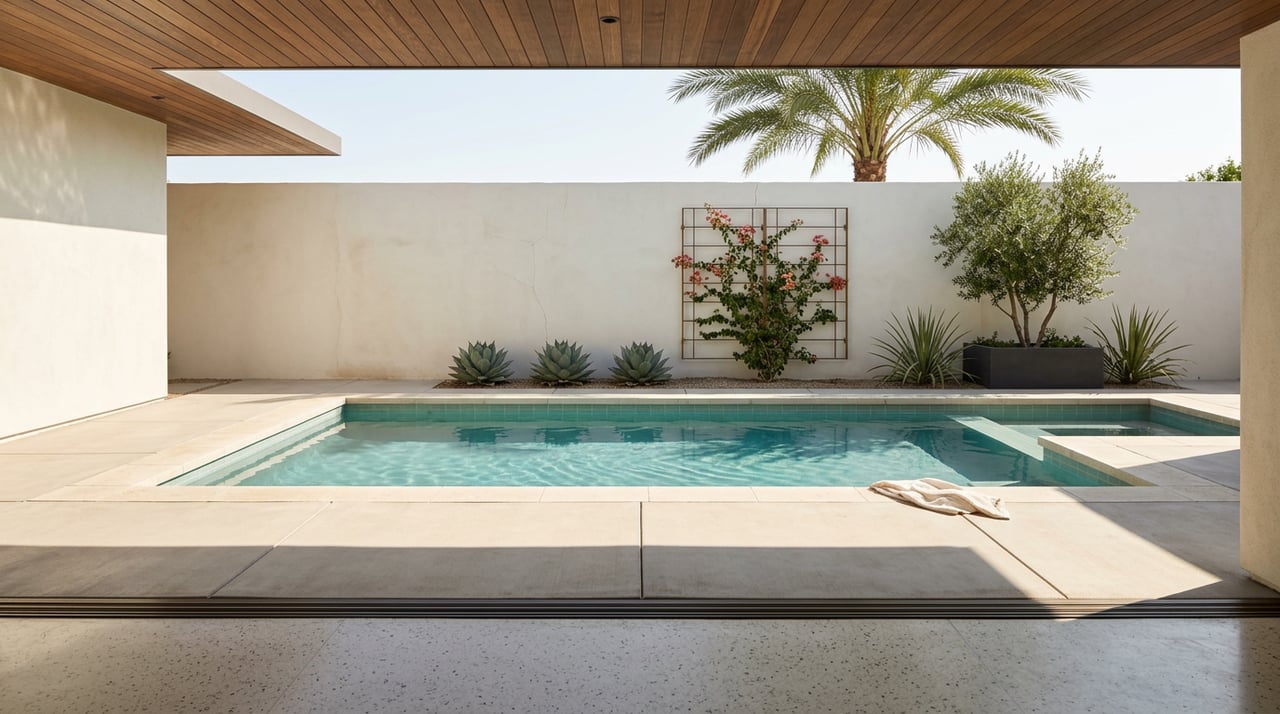
Palm Springs Life also notes the tract’s simple lines, post-and-beam construction, open floor plans, backyard pools, and the signature look of two palm trees out front. Those details helped define a lifestyle as much as a building style, and the original 90 homes sold quickly enough to help spark the city’s first major housing boom.
What Defines Twin Palms Design
Twin Palms is often associated with mid-century modern architecture at its most recognizable. But what makes it so appealing is not just age. It is the consistency of the design language across the neighborhood.
The original plan was simple
One of the most interesting facts about Twin Palms is how limited the original plan selection was. According to city reporting, the first homes were built from only two floor plans, while Palm Springs Life describes the homes as based on an identical 40-by-40-foot plan that could be flipped or rotated.
That might sound repetitive, but it did not create a dull streetscape. Different rooflines, facades, landscaping, color choices, and home orientations gave the neighborhood a more varied and custom feel.
Signature features buyers notice
When you tour a home in Twin Palms, a few design elements tend to stand out right away. These are often the character-defining features that help preserve the architectural identity of the property:
- Roof profile, including butterfly, flat, sloped, or gabled forms
- Clerestory window bands
- Wall-of-glass treatments
- Post-and-beam structure
- Carports or sheltered entries
- Strong patio and pool connection
Some later homes in the neighborhood also carry the mid-century vocabulary forward with details like terrazzo floors, built-in planters, sunken living rooms, floating fireplaces, and brise soleil blockwork. That means Twin Palms is shaped by design continuity, not just by a single construction date.
Twin Palms Is Not a Museum
One of the most appealing things about Twin Palms is that it remains a living neighborhood. It is not frozen in time.
The Twin Palms Neighborhood Organization received formal certification in 2013, and Modernism Week tour buses regularly travel through the area. That kind of visibility keeps Twin Palms in front of design-minded buyers and reinforces its reputation as a landmark neighborhood within Palm Springs.
At the same time, not every home inside the neighborhood boundary is an original 1950s Alexander house. City reporting notes that by the 1980s, contemporary, Spanish contemporary, and modern designs had started mixing into the area, and the neighborhood brochure also points out at least one later complex that is not considered a mid-century classic.
Why that distinction matters
If you are shopping in Twin Palms, it is important to confirm what you are actually buying. A home may be:
- An original Alexander home
- A later custom home
- A non-mid-century infill property within the neighborhood boundary
That distinction affects how you evaluate architecture, pricing, and long-term appeal. In a neighborhood where provenance matters, knowing the difference is a key part of making a smart decision.
How to Read a Renovated Twin Palms Home
In a design-driven neighborhood, not all renovations carry the same weight. The strongest Twin Palms updates tend to preserve the architectural shell while modernizing the systems that make a house comfortable and functional.
Examples documented in the neighborhood brochure show several successful approaches. Some owners kept original finishes mostly intact and returned homes to their original mid-century appearance. Others updated electrical, plumbing, HVAC, roofing, and windows while leaving the core design language in place. Still others used more contemporary materials while respecting the original layout and aesthetic.
What tends to preserve value
In Twin Palms, the most important features are often the ones that protect the original feel of the home. Based on the neighborhood’s restoration culture, buyers usually respond best to homes that retain:
- The original roofline and massing
- A consistent glazing rhythm
- Built-ins or cabinetry with architectural character
- Indoor-outdoor flow
- A layout that still reads as a Krisel-era modern home
A remodel that looks fresh is not always the same as a remodel that respects the architecture. In Twin Palms, a generic update can weaken the very qualities that make the home distinctive in the first place.
What Buyers Should Look For
If you are serious about buying in Twin Palms, it helps to look past staging and surface finishes. This neighborhood rewards buyers who pay attention to architectural integrity.
A practical Twin Palms checklist
As you compare properties, keep an eye on these items:
- Is the roofline intact?
- Has the original window pattern been preserved?
- Are there authentic built-ins, cabinetry, or period-sensitive details?
- Does the house maintain a clear indoor-outdoor connection?
- Were major systems updated without flattening the home’s design character?
A strong Twin Palms home should still feel true to its origins from the curb. Even with thoughtful modernization, the architecture should remain legible and confident.
Twin Palms Market Position
Twin Palms has a strong identity, and that identity shows up in the market. By Palm Springs Life neighborhood guide metrics, Twin Palms carries the highest price per square foot among the three compared neighborhoods below.
| Neighborhood | Average-size home price | Average size | Price per sq. ft. | Median days on market |
|---|---|---|---|---|
| Twin Palms | $2,218,599 | 2,325 sq. ft. | $954 | 19 |
| Indian Canyons | $2,215,713 | 3,000 sq. ft. | $739 | 40 |
| Deepwell | $1,526,957 | 2,300 sq. ft. | $664 | 40 |
These figures suggest that Twin Palms demand is tied closely to architecture, not just house size. Indian Canyons may show a similar average-size home price with larger homes, while Deepwell offers a different value story with a broader mix of styles and lot-driven appeal.
Why market numbers can vary
It is also important to read neighborhood data carefully. Public-facing market snapshots can differ quite a bit depending on how each platform measures the housing stock.
For example, Redfin reported a $960,000 median sale price and 36 days on market for Twin Palms, while Zillow listed an average home value of $696,440, up 5.1% over the past year as of April 30, 2026. That spread does not necessarily mean one source is wrong. It usually means the sources are measuring different sets of homes or using different methods.
Twin Palms vs. Other Palm Springs Neighborhoods
If you are comparing Palm Springs neighborhoods, Twin Palms stands out because it is so clearly branded by one architectural story. That gives buyers and sellers a more specific framework for evaluating homes.
Indian Canyons presents a different experience, with larger homes, golf-course context, and a broader mix of developers and architects. Deepwell also has a strong Palm Springs identity, but it is more eclectic, with Spanish Colonial Revival, Ranch, and Mid-century Modern homes sharing the same neighborhood fabric.
Twin Palms tends to attract buyers who value architectural pedigree and visual consistency. In practical terms, that often means a well-preserved or sensitively renovated home can command strong attention even when it is not the largest property in the conversation.
Why Twin Palms Still Resonates
Twin Palms continues to resonate because it captures a very specific Palm Springs idea. It is modern, low-slung, open to the outdoors, and closely tied to the desert lifestyle that first made the city famous.
For buyers, that means you are not just looking at square footage or finishes. You are evaluating how well a home expresses the neighborhood’s original design language. For sellers, that means the story of your home matters, especially if its architectural details and renovation choices support that story.
In a market like Palm Springs, where neighborhood identity can strongly influence buyer interest, Twin Palms remains one of the clearest examples of architecture driving long-term appeal.
If you are considering buying or selling in Twin Palms, working with a team that understands Palm Springs micro-markets, mid-century design, and buyer expectations can make all the difference. Connect with Sarah and James Luxury for concierge-level guidance tailored to your goals.
FAQs
What is Twin Palms in Palm Springs known for?
- Twin Palms is known as the Alexander and Krisel tract most closely associated with Palm Springs modernism, with signature features like butterfly roofs, clerestory windows, open carports, breezeways, and strong indoor-outdoor design.
Are all homes in Twin Palms original mid-century modern homes?
- No. While Twin Palms includes original Alexander homes, later custom homes and some non-mid-century infill properties also exist within the neighborhood boundary.
What should buyers look for in a Twin Palms renovation?
- Buyers should focus on whether the renovation preserved the roofline, window pattern, built-ins, layout, and indoor-outdoor flow while updating major systems like plumbing, electrical, HVAC, roofing, or windows.
How does Twin Palms compare to Indian Canyons and Deepwell?
- Twin Palms stands out for its tightly defined architectural identity and higher price per square foot, while Indian Canyons tends to offer larger homes and Deepwell offers a broader mix of styles and value points.
Why do Twin Palms market numbers vary by source?
- Market numbers can vary because different platforms track different groups of homes and use different methodologies, which is why neighborhood data should always be read with context.
Is Twin Palms a good fit for design-focused buyers?
- Yes. Twin Palms is especially appealing to buyers who value architectural pedigree, preserved mid-century details, and a neighborhood identity that is strongly tied to Palm Springs modern design.